Greece
Greece
Leaving Bitola
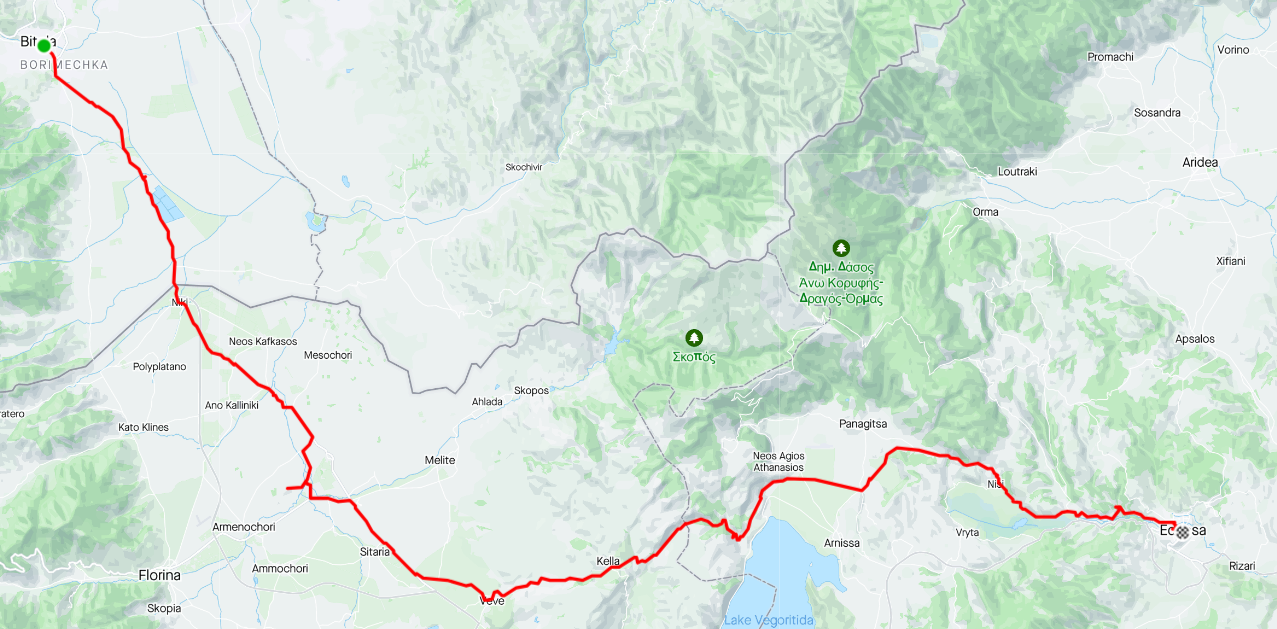
In the morning it wasn’t that rainy. So we got a chance to have a quick tour of the city before leaving.
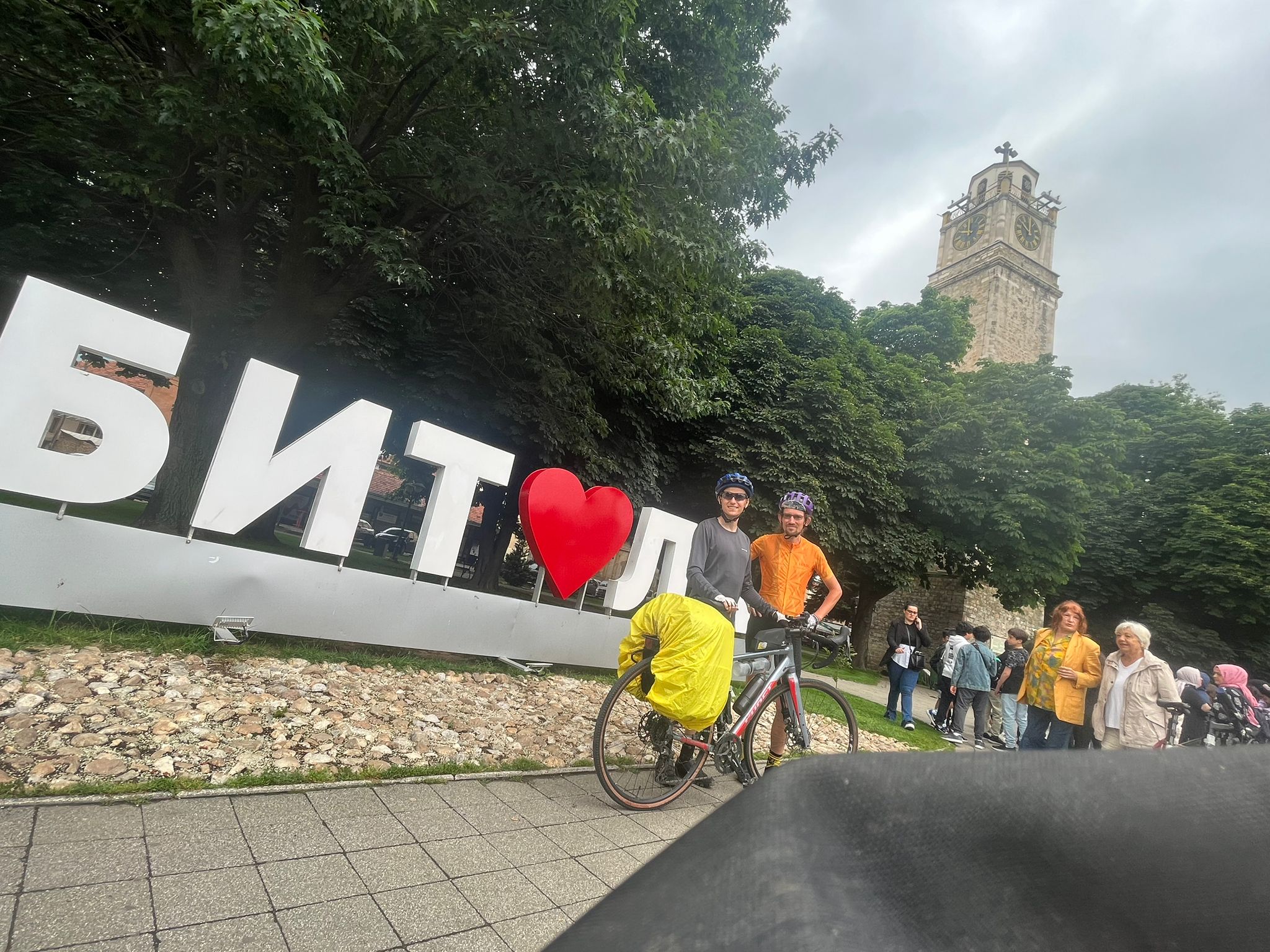
From there, the ride to the Greek border had the typical Eastern European style of roads that we have grown to get used to, ie. lots of potholes. As we approached the border, however, the road started to get better, and at some point, there was even a shoulder. At the border we tried to persuade the guard to stamp our passport with the symbol of a bicycle, rather than that of a car. But he did not seem to be in a good mood, so we did not puch that proposal further. There were some wild peacock resting at the border, so that mde it a nice crossing overall.
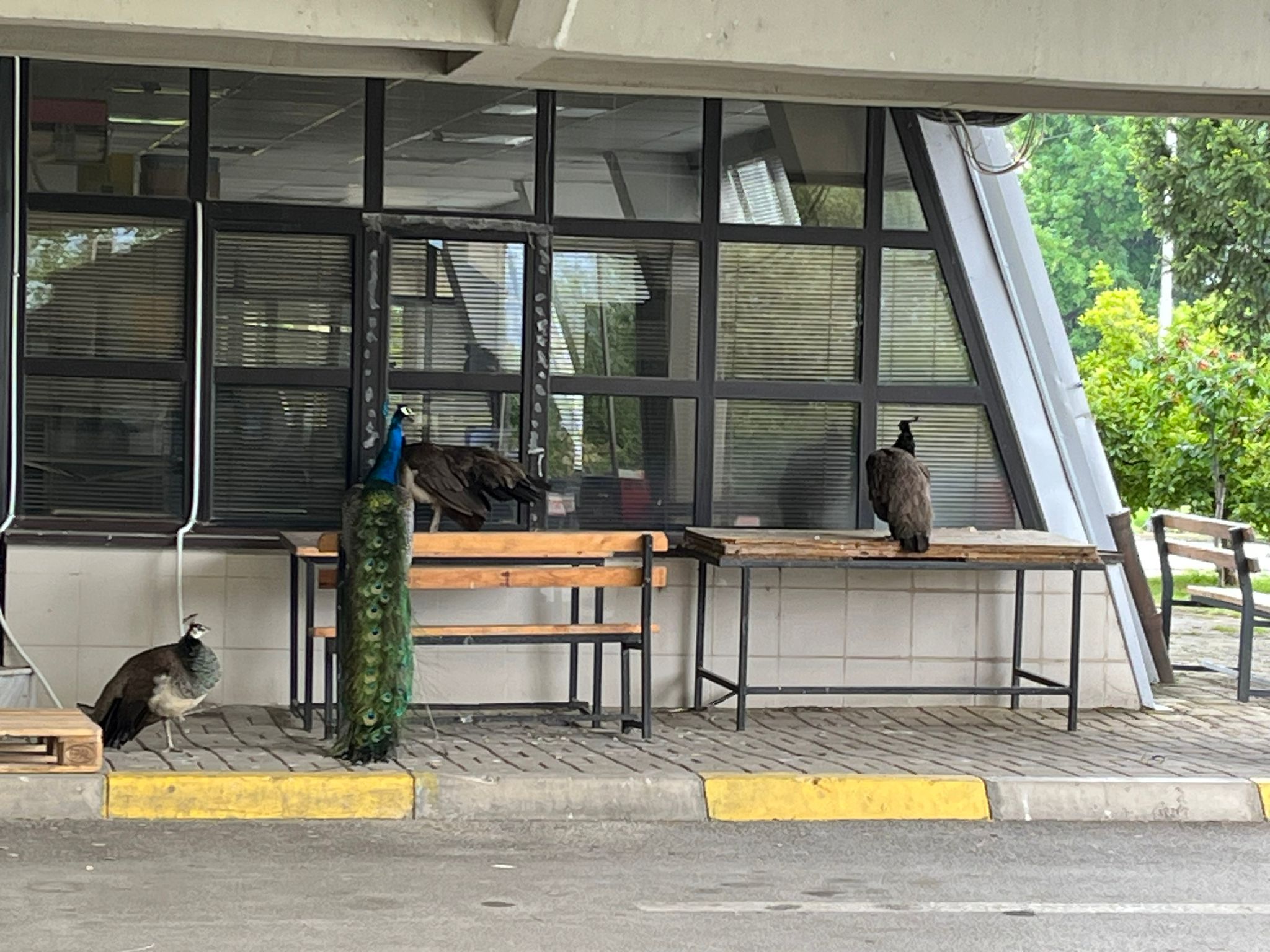
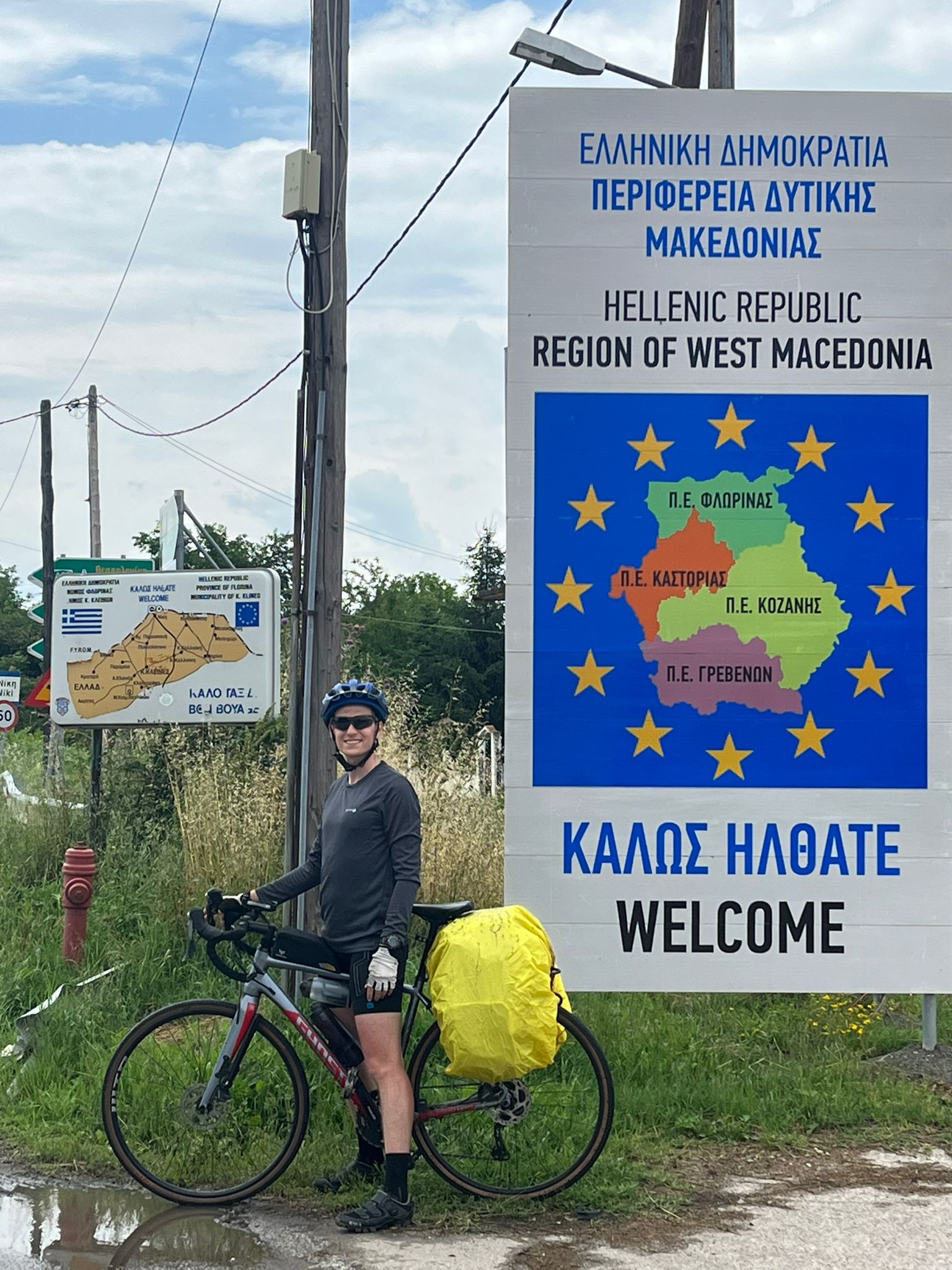
On the other side we saw a sign that we entered the Greek region of West Macedonia. When traveling through North Macedonia I wasn’t sure what the etiquettes were regarding that country’s name. I talked to the coworker and he explained that in short, the country used to be called Macedonia. Then the Greeks got offended at that, because the Greeks want to claim ownership on Alexander th Great (from Macedonia). So Greece demanded that Macedonia change their name. Macedonia wanted support from Greece to get closer to getting accepted into the EU, so at 2019 they complied. At the same time, Bulgaria noticed that North Macedonia was claiming that Tsar Samuil was their first Tsar. Since the Bulgarians were also needed if North Macedonia wanted to join the EU, in 2019 North Macedonia officially recognized that Samuil was a Tsar of Bulgaria.
From what I understood, the source of those issues is that it is hard to define the ancestry of a nation, especially when ethnicity is a spectrum with no clear borders (unlike modern countries that do have clear (-ish) borders). Currently a lot of British people claim that they are Romans, and Italy doesn’t seem to try to get them to change. And modern Egyptians like to claim that they are the descendants of the Pharaohs, when at most, only the Christian Coptic Egyptians can claim that. In America, you have people who are at most 1/1,024 Native American who claim to be Native American.
Biking in Greece
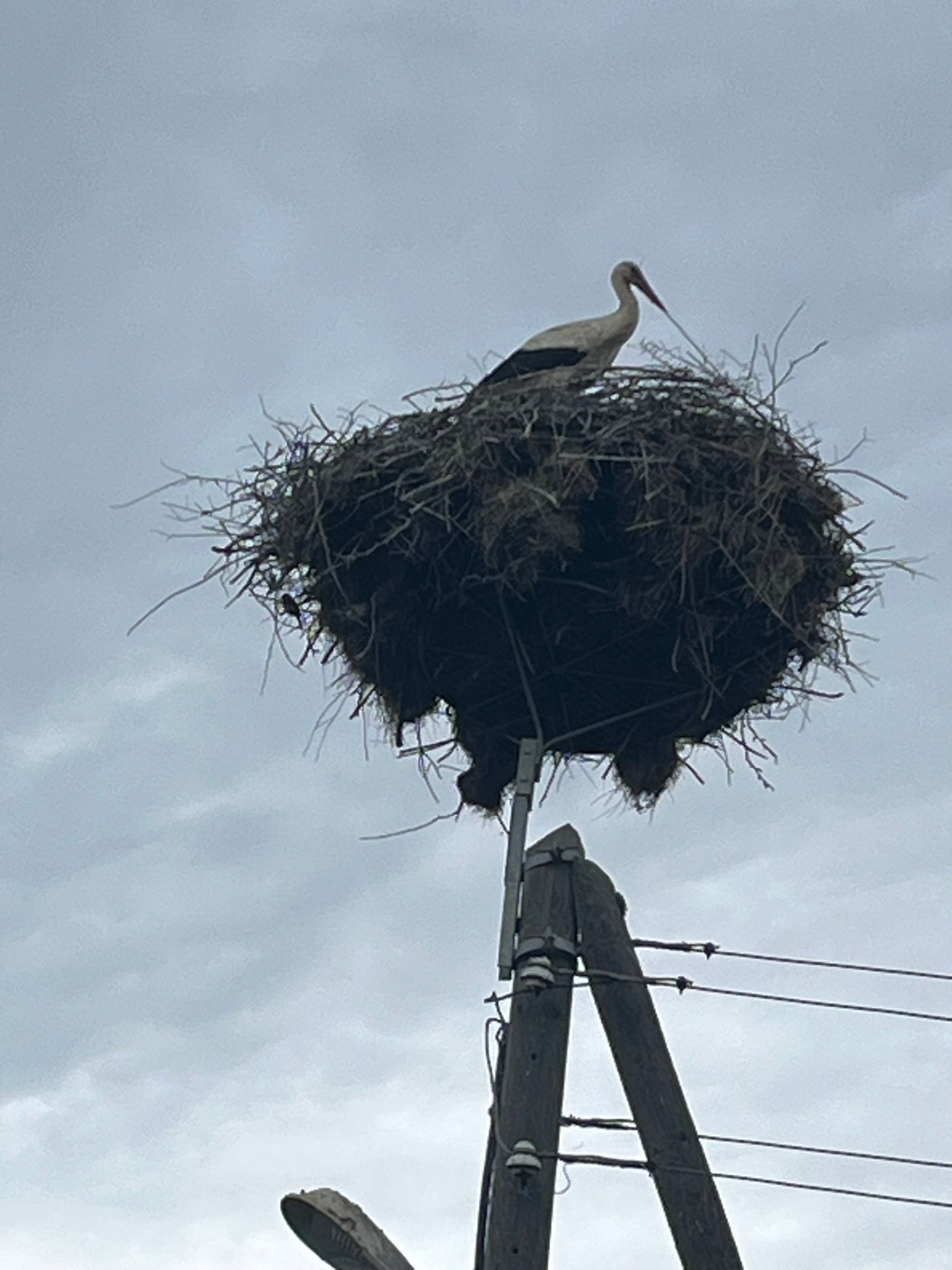
One common sit we saw in Greece, were Stork nests on top of almost every electric / telephone pole.
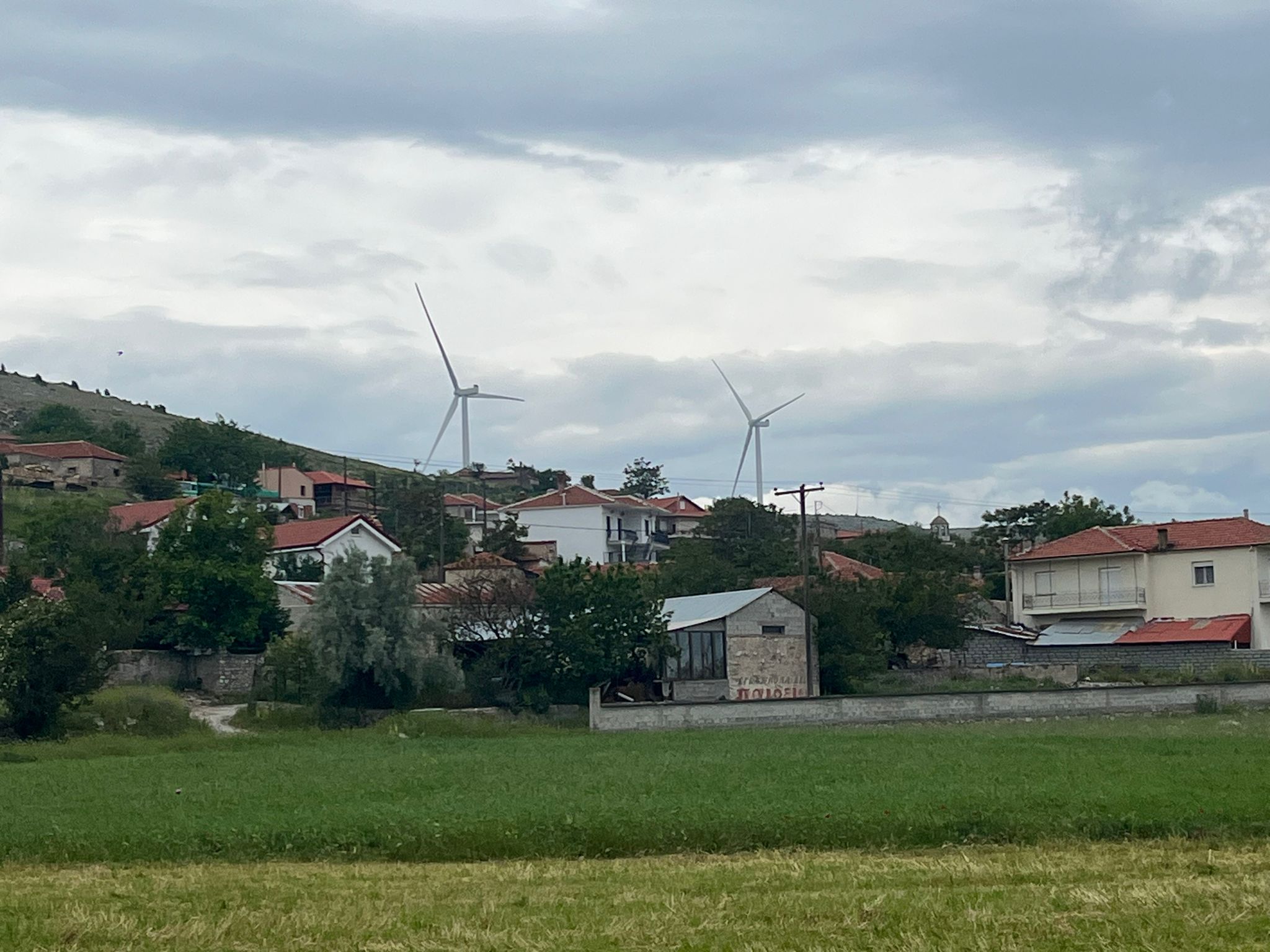
This day, the bike ride wasn’t rainy, so we were very happy. But then the headwind started. Suddenly every press on the pedal had to fight against a strong wind that was pushing us backwards. In fact, it was so windy that we saw a lot of wind turbines propped up. That symbolises that the area was a good place to generate clean energy, but not necessarily an easy place to bike.
Another interesting occurrence on this trip was the sheepdogs. Whenever we would pass by them, they would take that as an opportunity for a friendly game of chase.
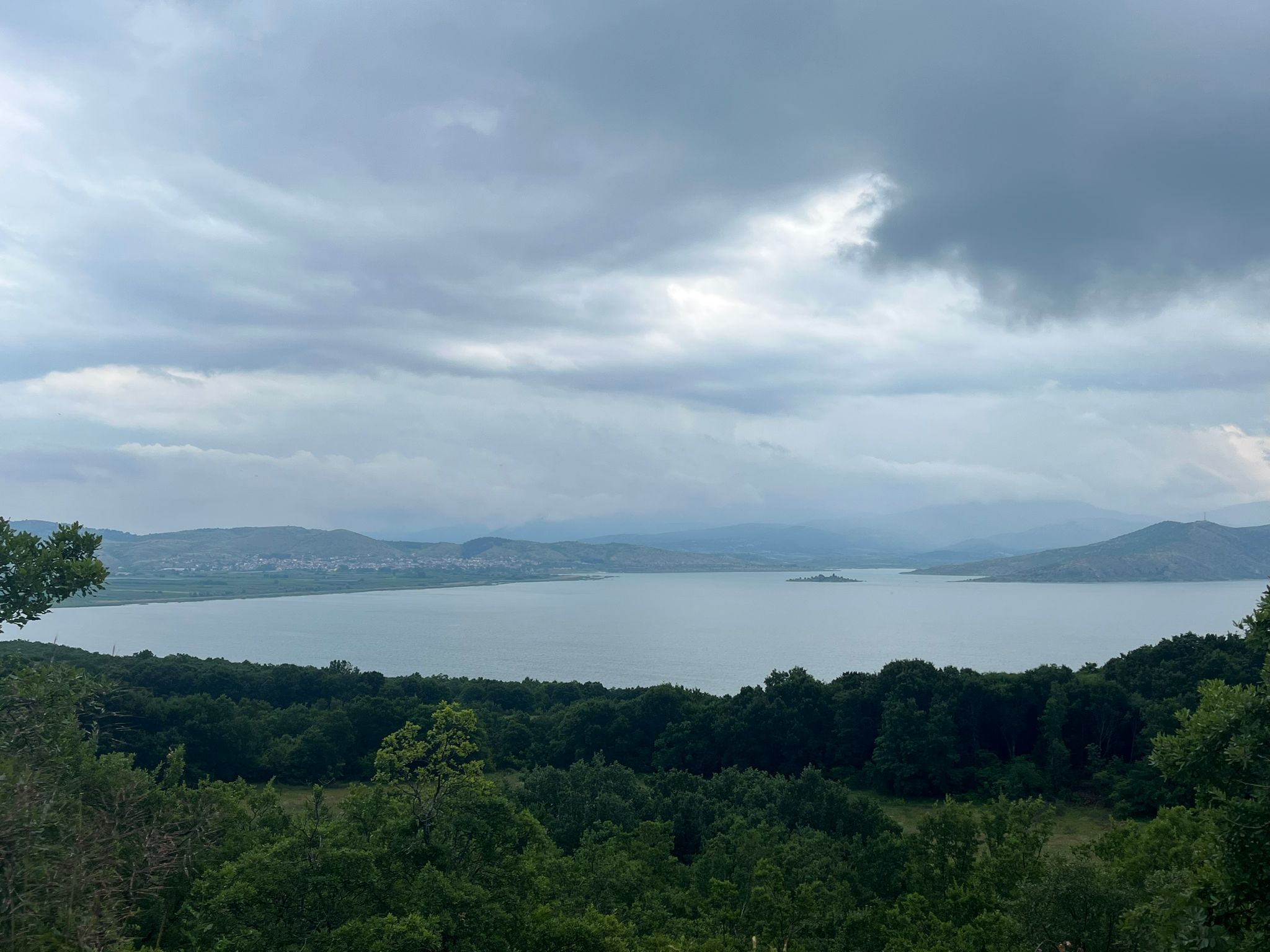
As we got closer to our destination, the scenery changed from agricultural fields to mountains with lakes and trees.
The path also changed from a paved road to a gravel road.
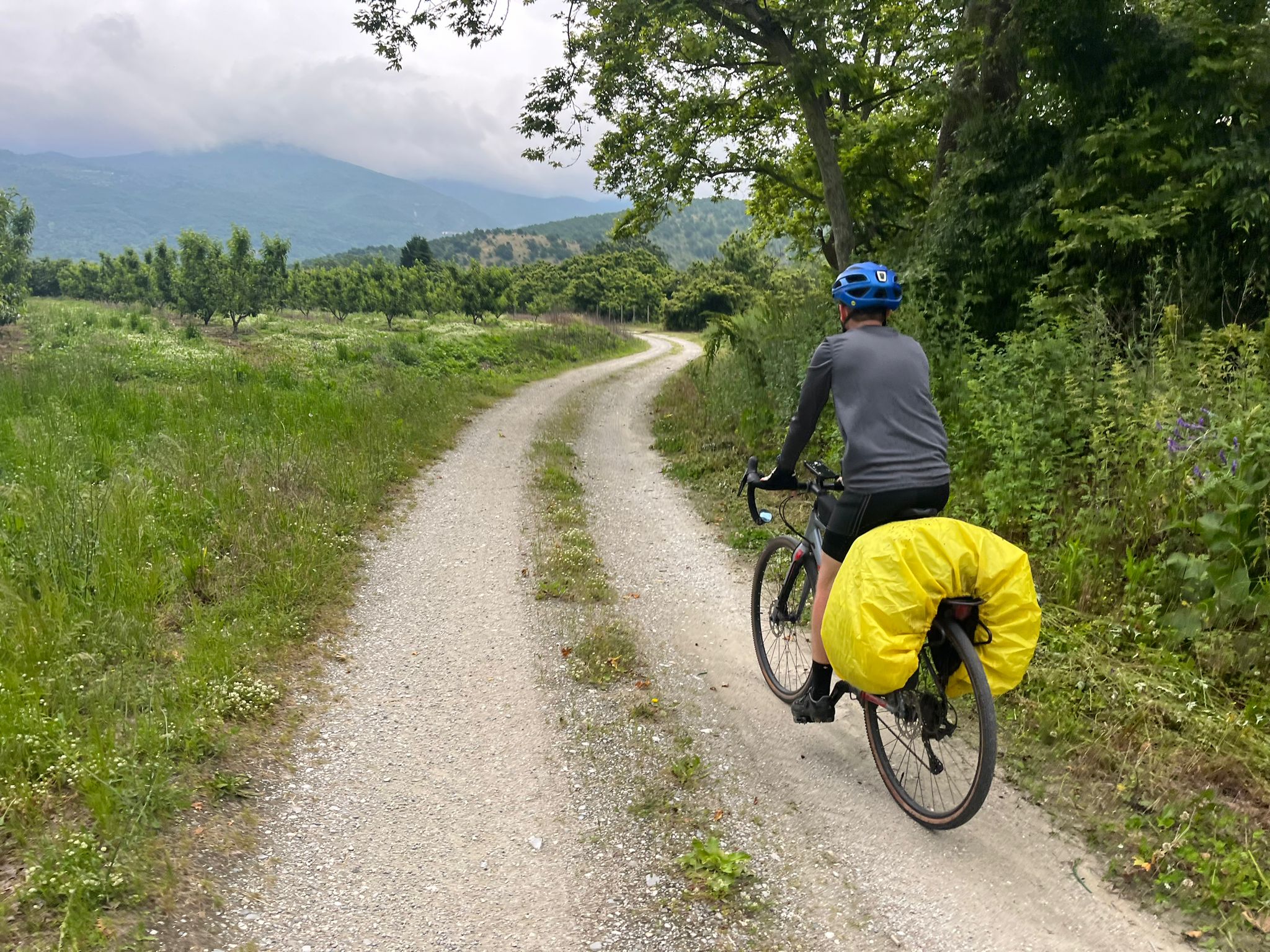
Soon after that, we experienced, yet again, more rain. But this time we were on a dirt road, the rain was the hardest we experienced, and we had to ford several streams. But after getting through all of that, we finally reached our hostel in Edessa.
Edessa
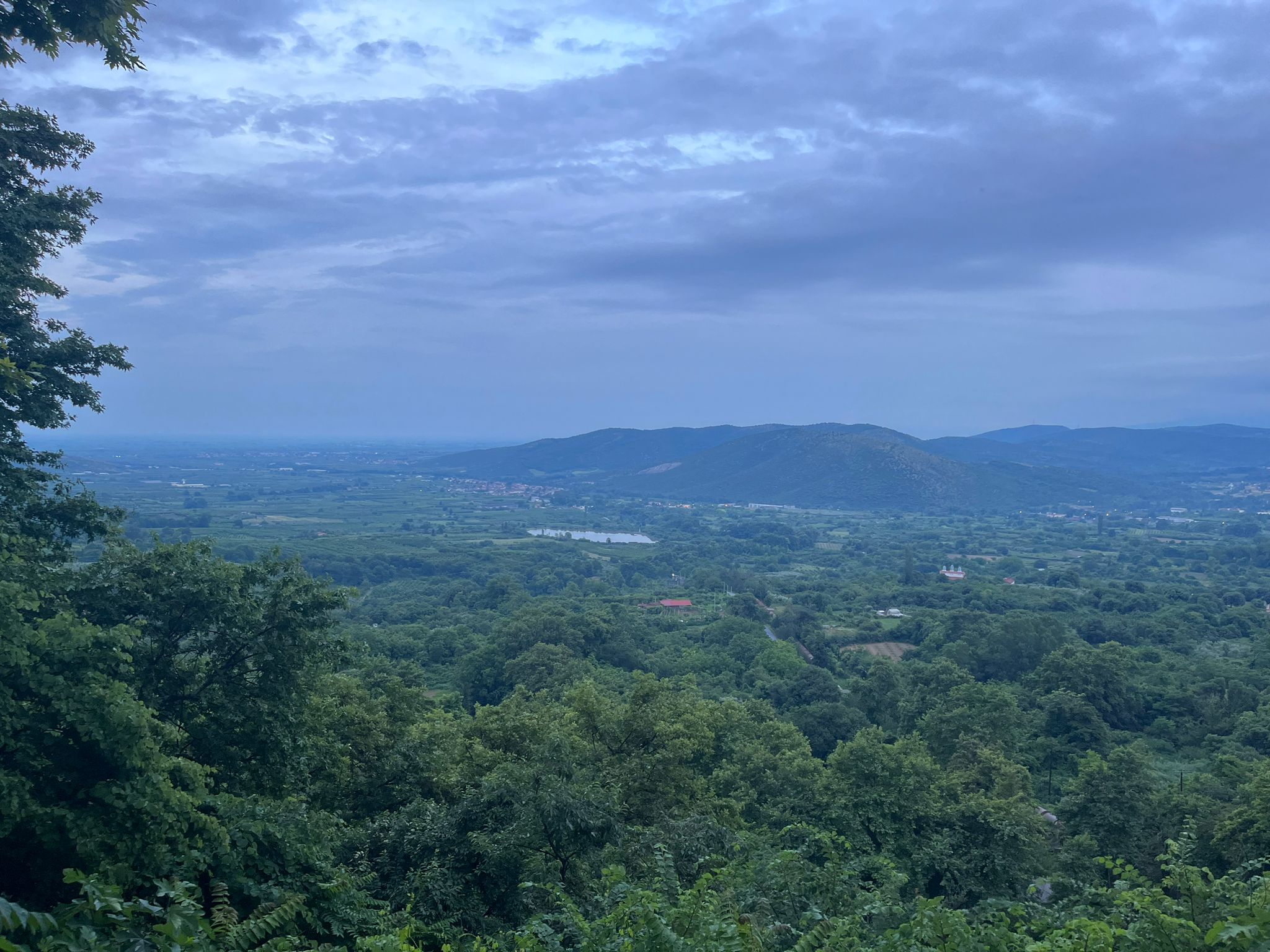
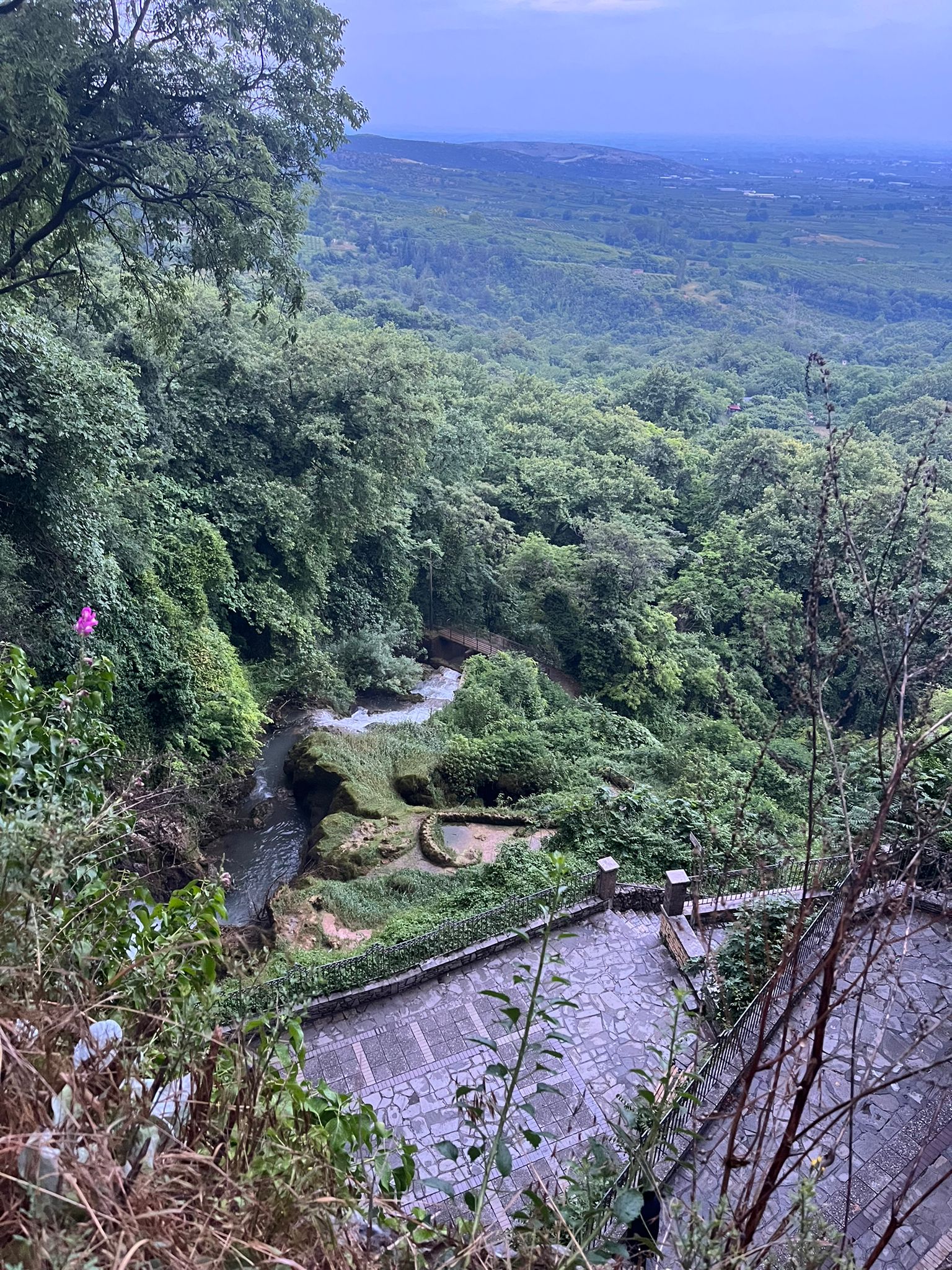
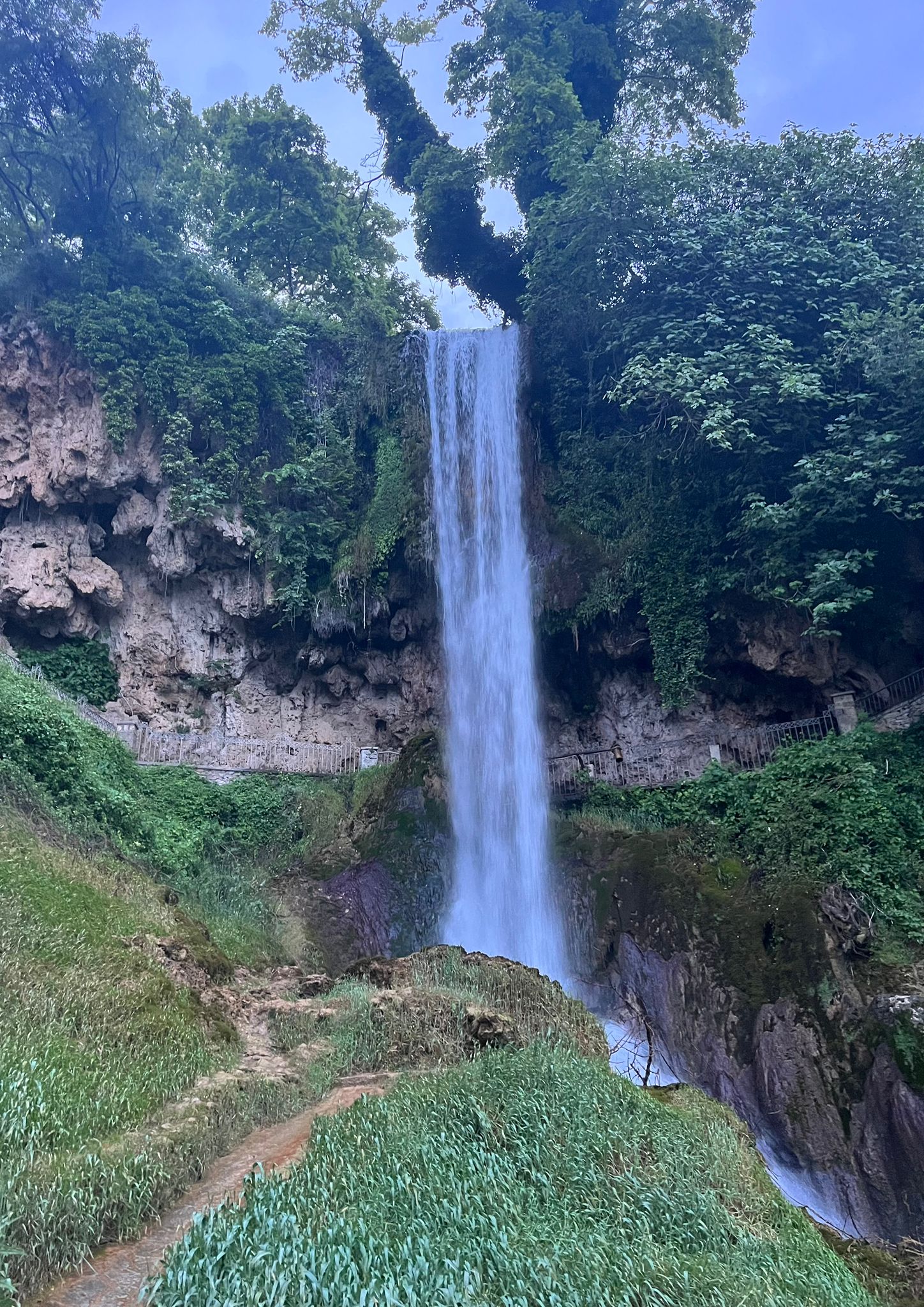
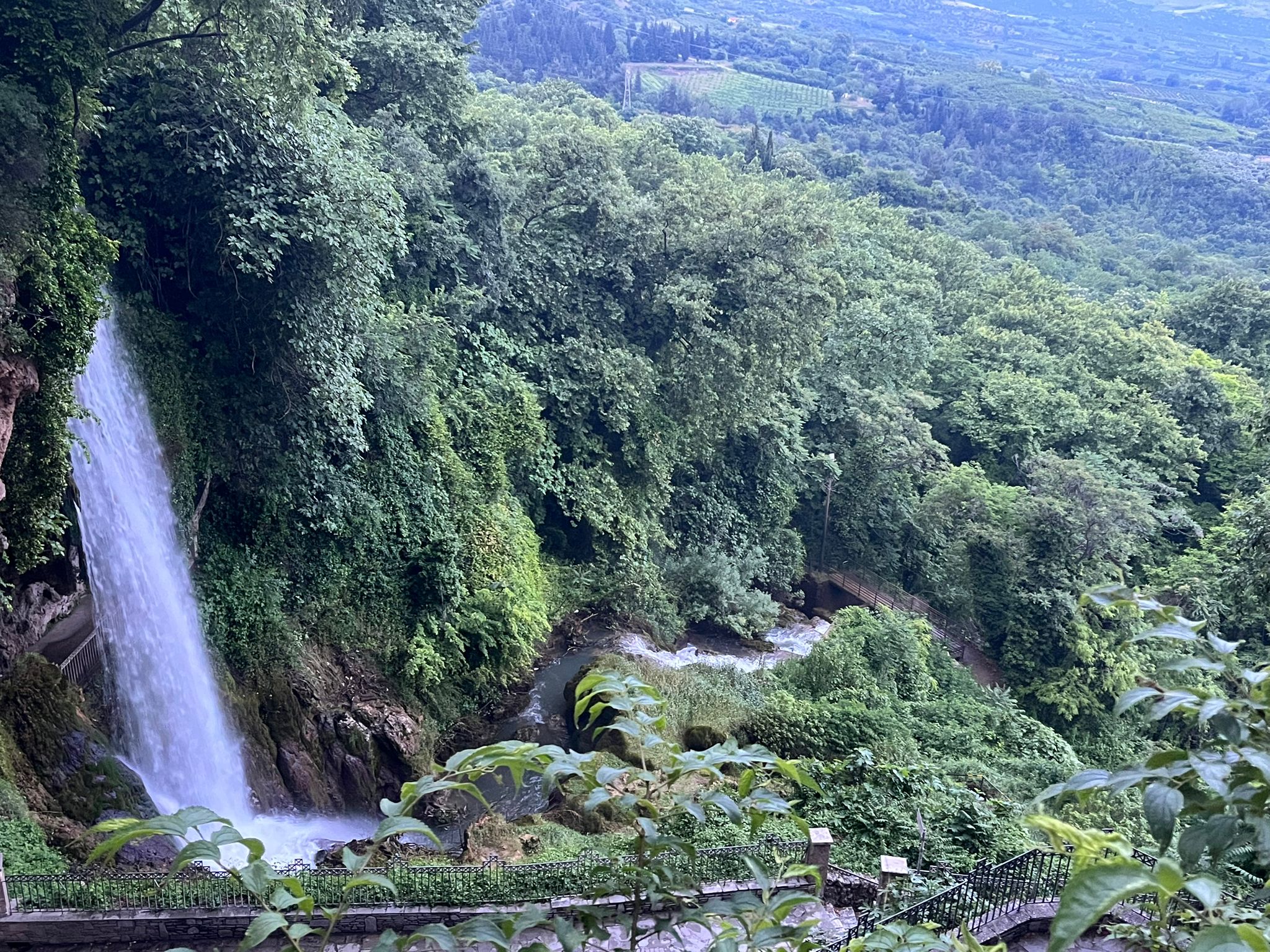
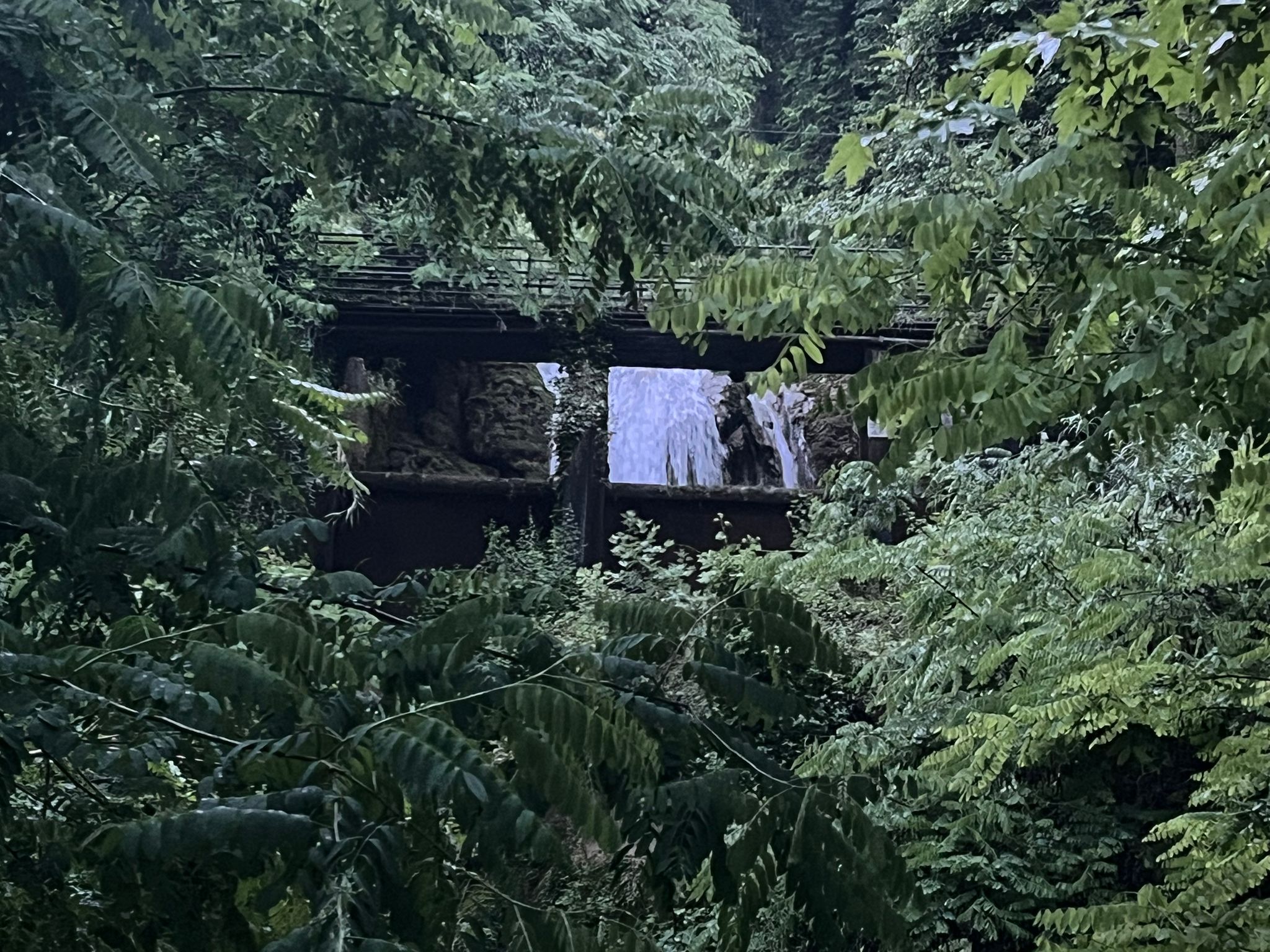
Edessa reminds me a lot of Vevchani. It is a resort town with lots of rivers and waterfalls.
Leaving Edessa
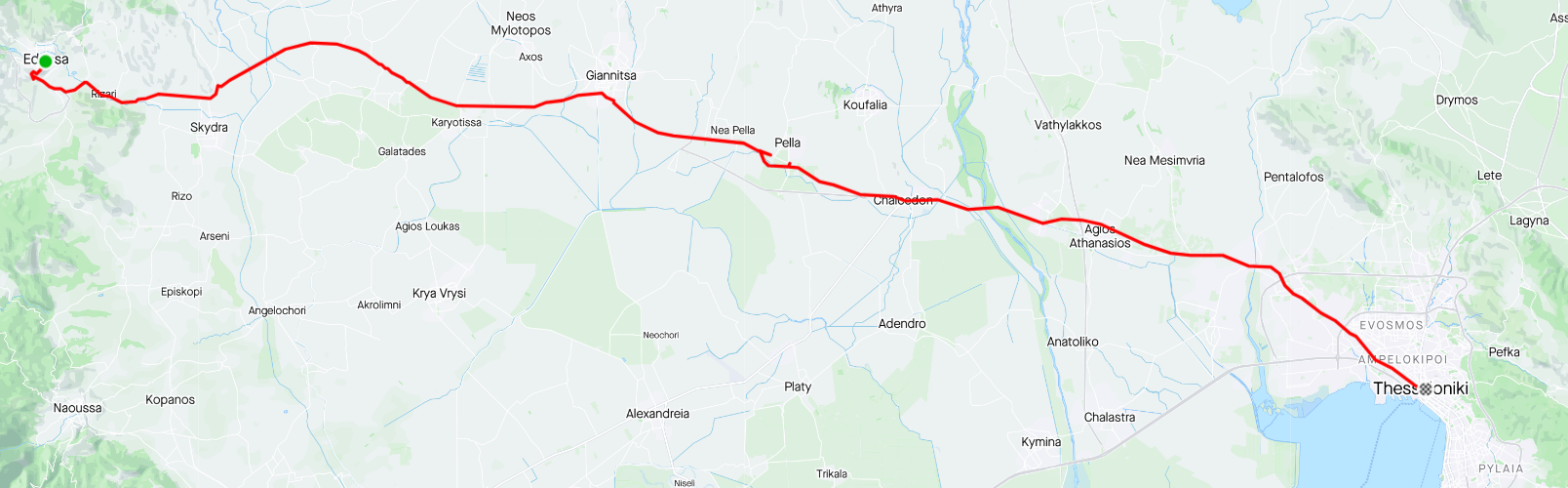
The next morning was Friday, and we were 90 km away from our Shabbat location. Normally I don’t like the pressure of having a lot of things to do before Shabbat, but public transportation in Greece was awful. There were very few busses and trains. And what we could find didn’t necessarily allow bikes. So it looked like the best way to get to Thessaloniki was to bike 90 km there. The route was uneventful. It mainly consisted of biking on the shoulder of a highway. However, since it wasn’t too rainy, windy or hilly, after 3h30m we arrived.
Thessaloniki
We were not too impressed with the city of Thessaloniki. The first things that we noticed was that vehicles drive and park on the sidewalk. Sometimes it is hard to cross the street due to parked cars blocking the way.
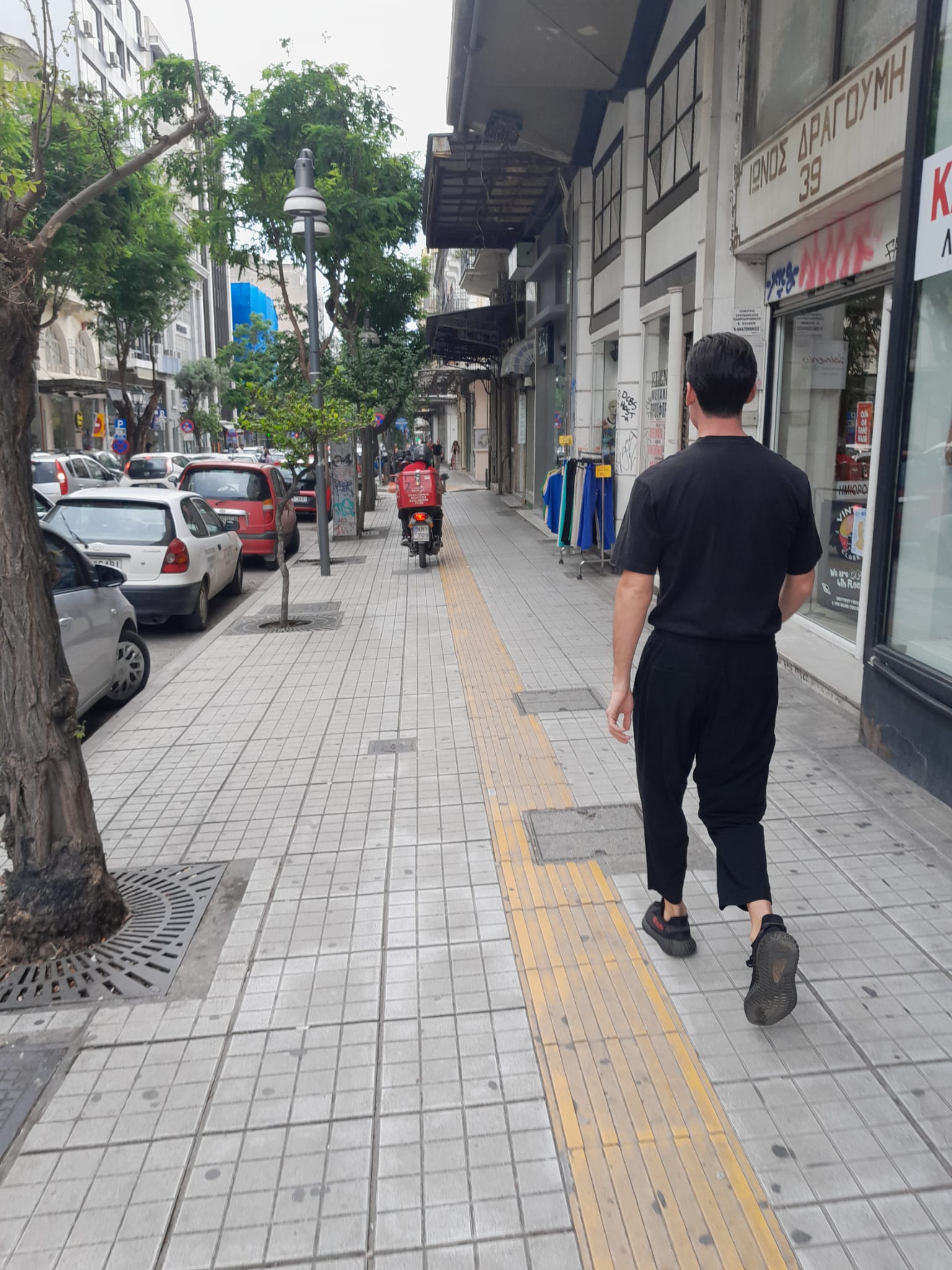
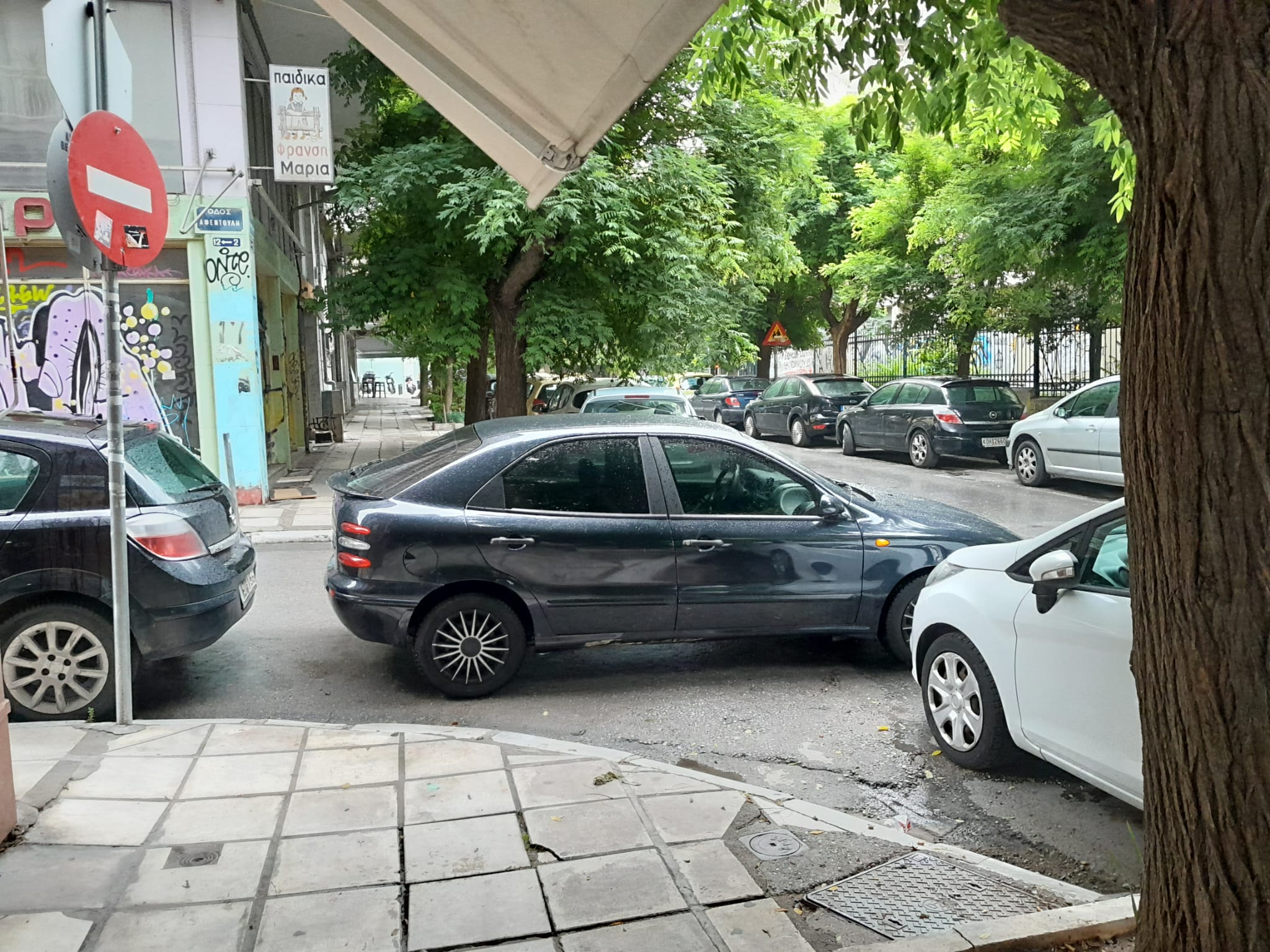
However, after our initial shock at that, we did spend some time walking through the tourist areas.
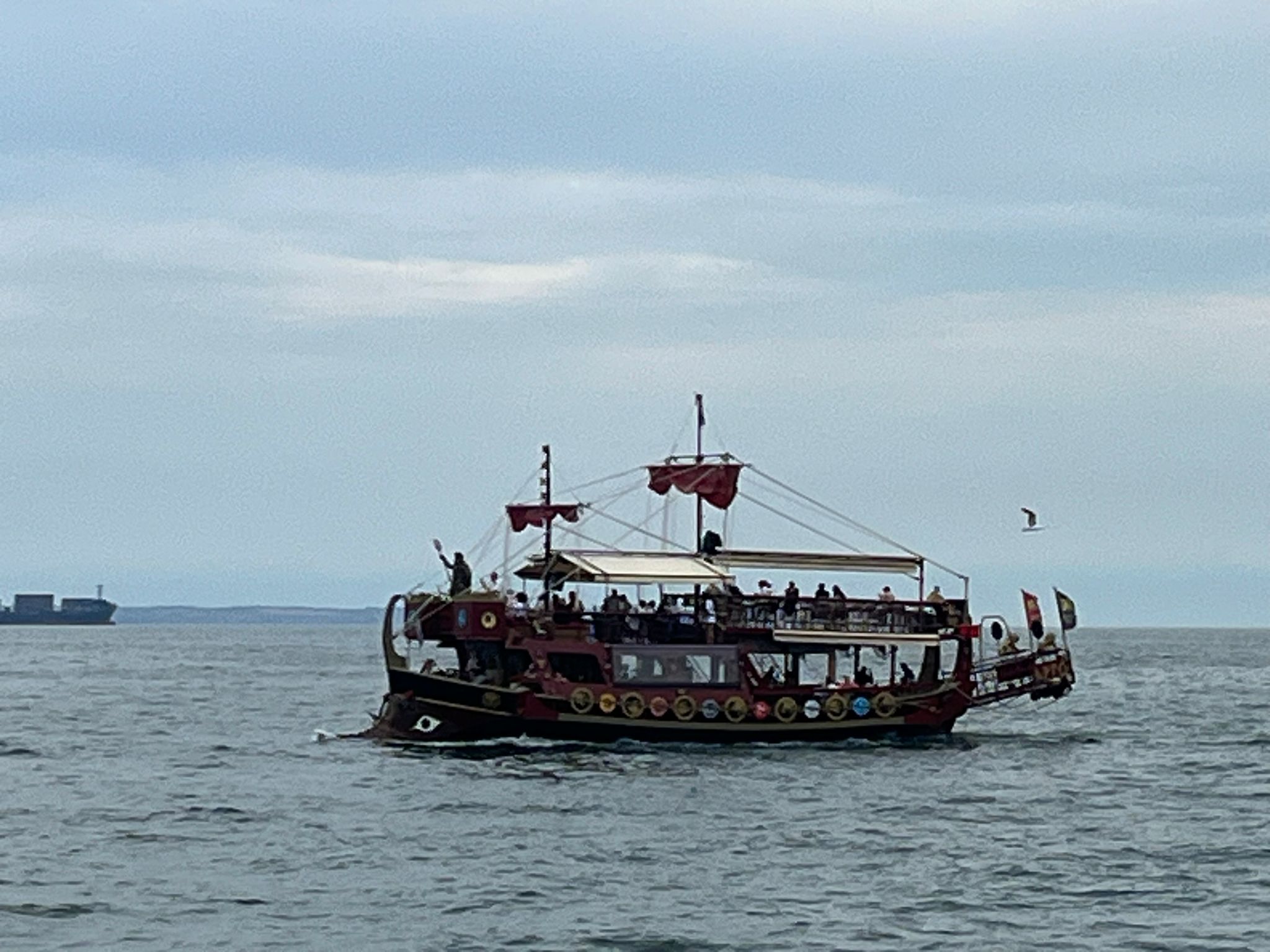
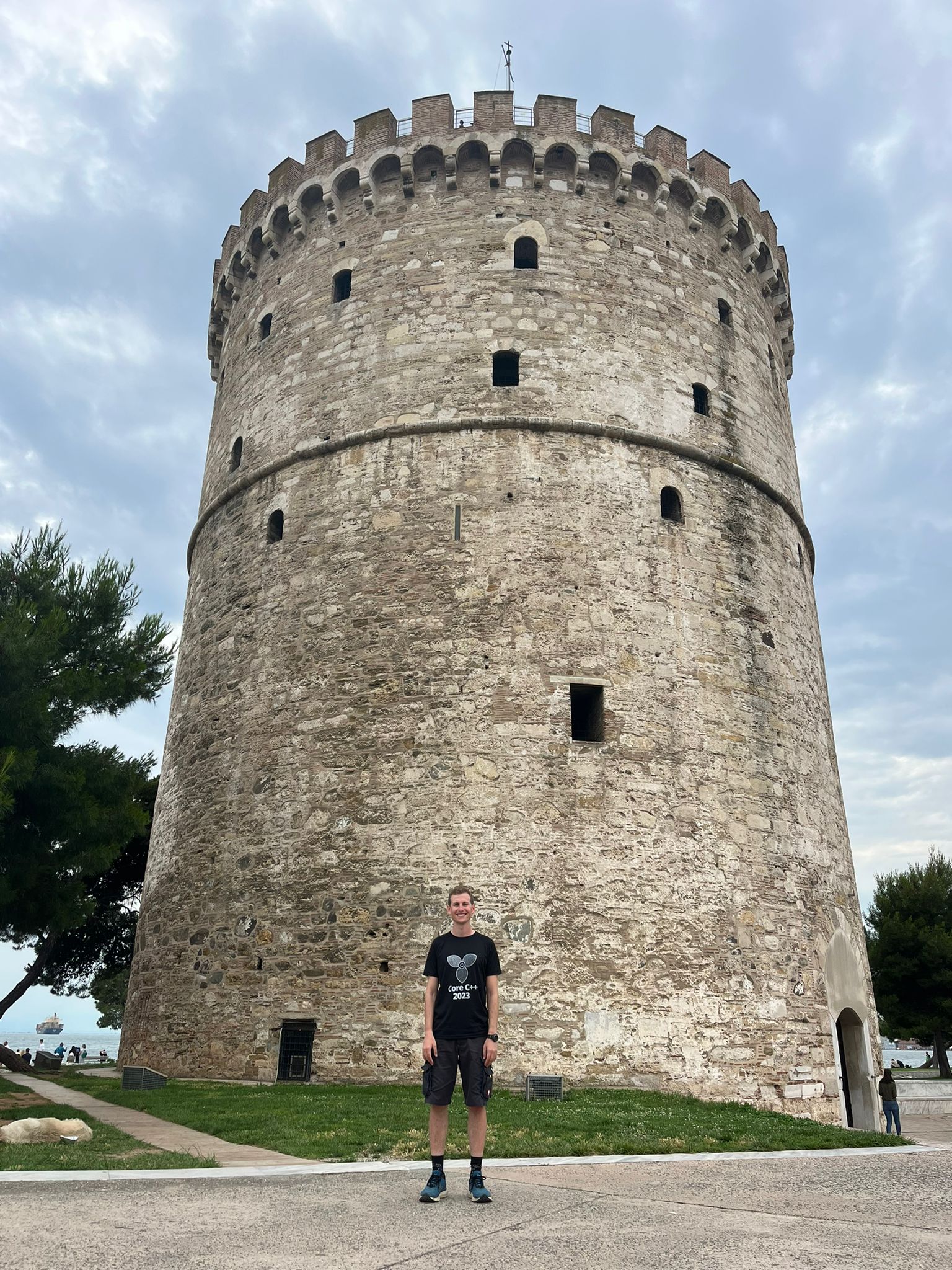
The first thing that I did on Friday was practise walking from my airbnb to the Chabad and back. Since there is no eruv, I couldn’t take a map with me. So I had to memorise every turn and address. I knew that that would be the case, so when picking a place to stay, I made sure it had a little turns as possible to the Chabad. I also practised walking to the local Jewish community synagogue. At first I didn’t see it. After passing arond the area for a bit, some passerby approached me as asked me if I was looking for something. I said the synagogue, and she showed me how to get in. It was properly disguised. I talked to the guard, and he scanned my passport, so that I would be able to enter on Shabbat.
Shabbat
I went to Chabad for prayers and meal on Friday night. Everyone there were Israeli tourists in their 50s. In fact, it was so Israeli, that the Chabad said that they only keep one day of holiday, since they are a destination for Israelis. The entire trip up until then has been very low cost. However, when it came to Shabbat, I spent about 15% of the trips budget on 2 Shabbat meals. After watching my biking partner eat anything that was available, I was glad to finally have a real meal with meat.
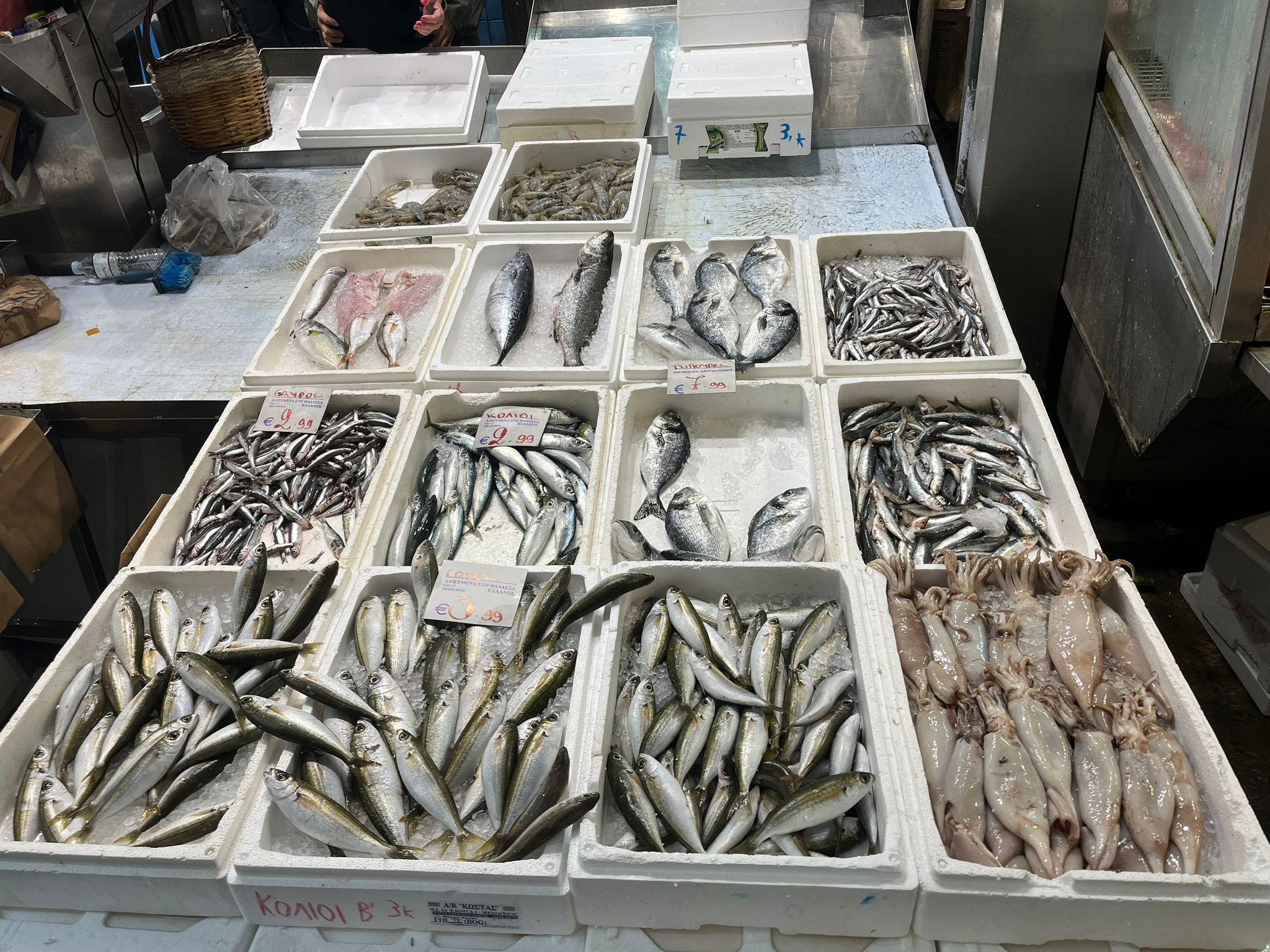
I went to the communities synagogue for Shacharit, and the prayer had some interesting parts. בריך שמיה was said in Ladino, and the Rabbi later pointed out to be that the prayer for Chanukah normally talks about the evil Greeks, but in their sidur it was replaced with the evil nation, or the evil Syrians.
After davening, the Rabbi took me and two other guests on a quick tour around the city. He talked explained the history of the city, and how Jews have historically been very important in the history of Thessaloniki. In fact, at one point, Jews made up 50% of the population. There were 3 main events that turned Thessaloniki from a center of Judaism, to a place that barely has a minyan on Shabbat. The first was the great fire of 1917. It ruined the entire city, so many Jews left. However, a lot stayed and many new synagogues were founded after to replace what was destroyed. The third was the Holocaust. The Nazis made sure to spend their war resources to go to every Greek city and take all of the Jews. The Greek Jews did exceptionally poor under the Nazis. They didn’t speak YIddish or German, so they reacted slowly to the Nazi’s orders. They came from a warm climate, so they weren’t ready for the cold Polish winters, where most of the camps were set up. And they were far away, so the long transports in cattle cars were even more fatal. The second event that emptied a lot of Jews from Thessaloniki was in 1935, a few years before the Holocaust reached Greece. The mayor of Haifa (in the Mandatory Palestine) wanted to build a port. Since the port in Thessaloniki was mainly run by the Jews (so much so, that on Shabbat the port was closed), the mayor offered to employ the Thessaloniki Jews to build the port. All together, including women and children, 20,000 Jews moved to Israel only 5 years before the Nazis reached Greece.
Unlike the rest of the trip, we did not plan ahead what we would do between Shabbat and Monday. The issue was that we couldn’t bike the entire distance to Sofia in 2 days, but we weren’t sure what the train / bus schedule was. We found out that it was so confusing to find information online, because the public transportation in Greece is quite bad. We eventually found a private bus that was heading all the way to Sofia. We would have preferred to go part of the way and bike the rest, but we only had a direct bus to Sofia. So on Sunday we took the 8 am bus to Sofia.