North Macedonia
North Macedonia
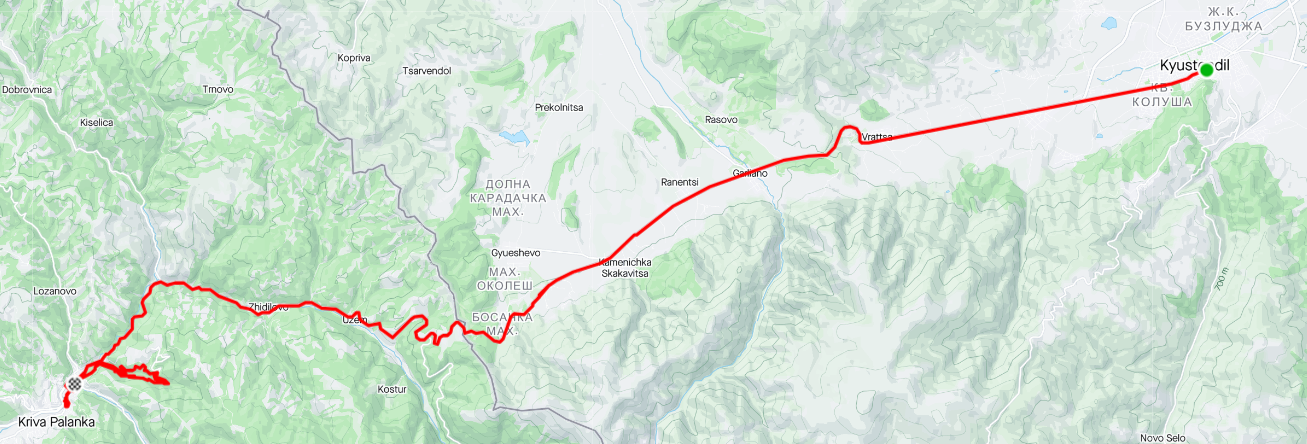
Biking to the border
After cleaning up from a day of biking in the rain and mud, we left the huge 20 EUR house, and started biking towards North Macedonia. The ride to the border was uphill, but the path was nice and the views were good.
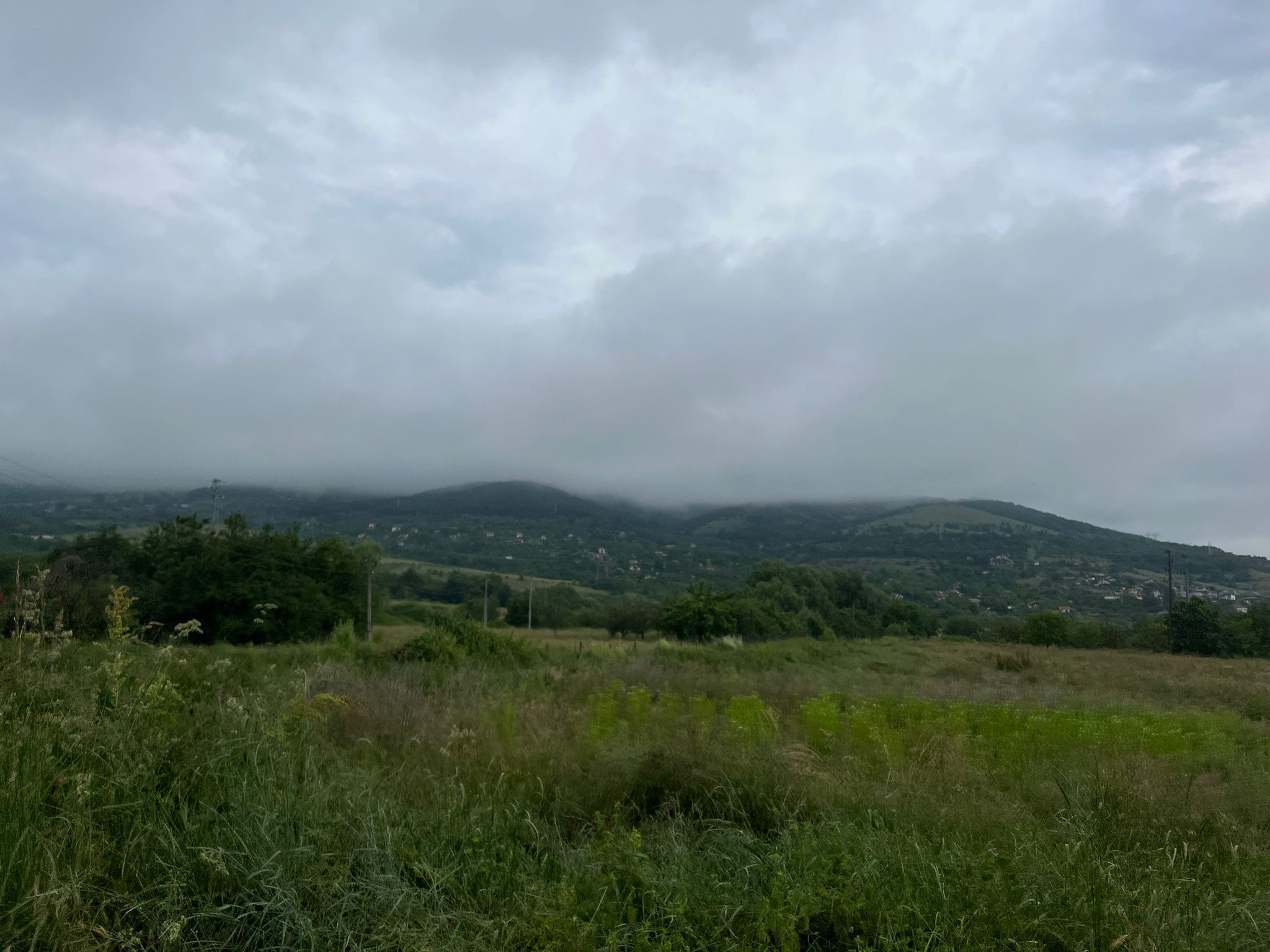
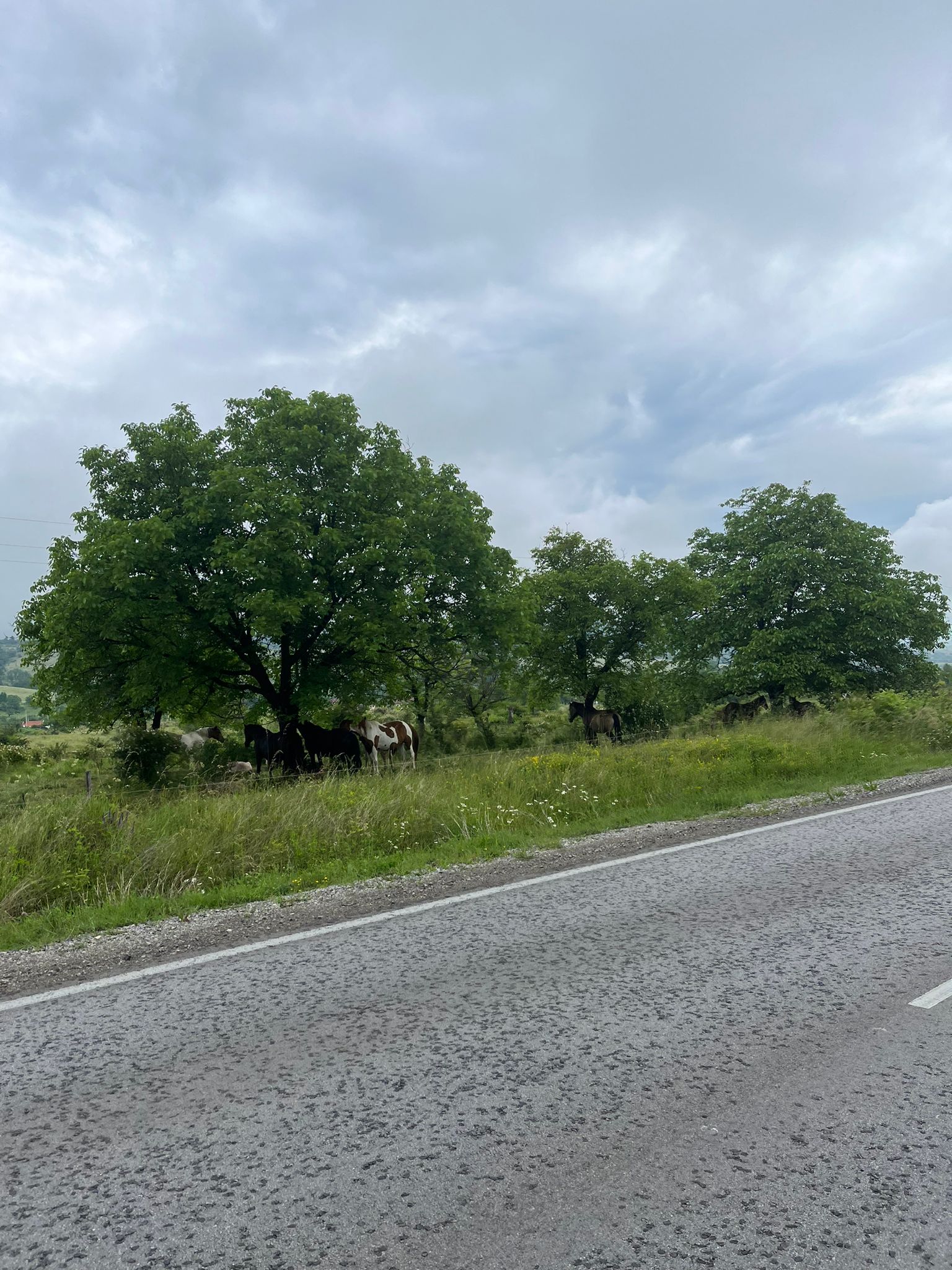
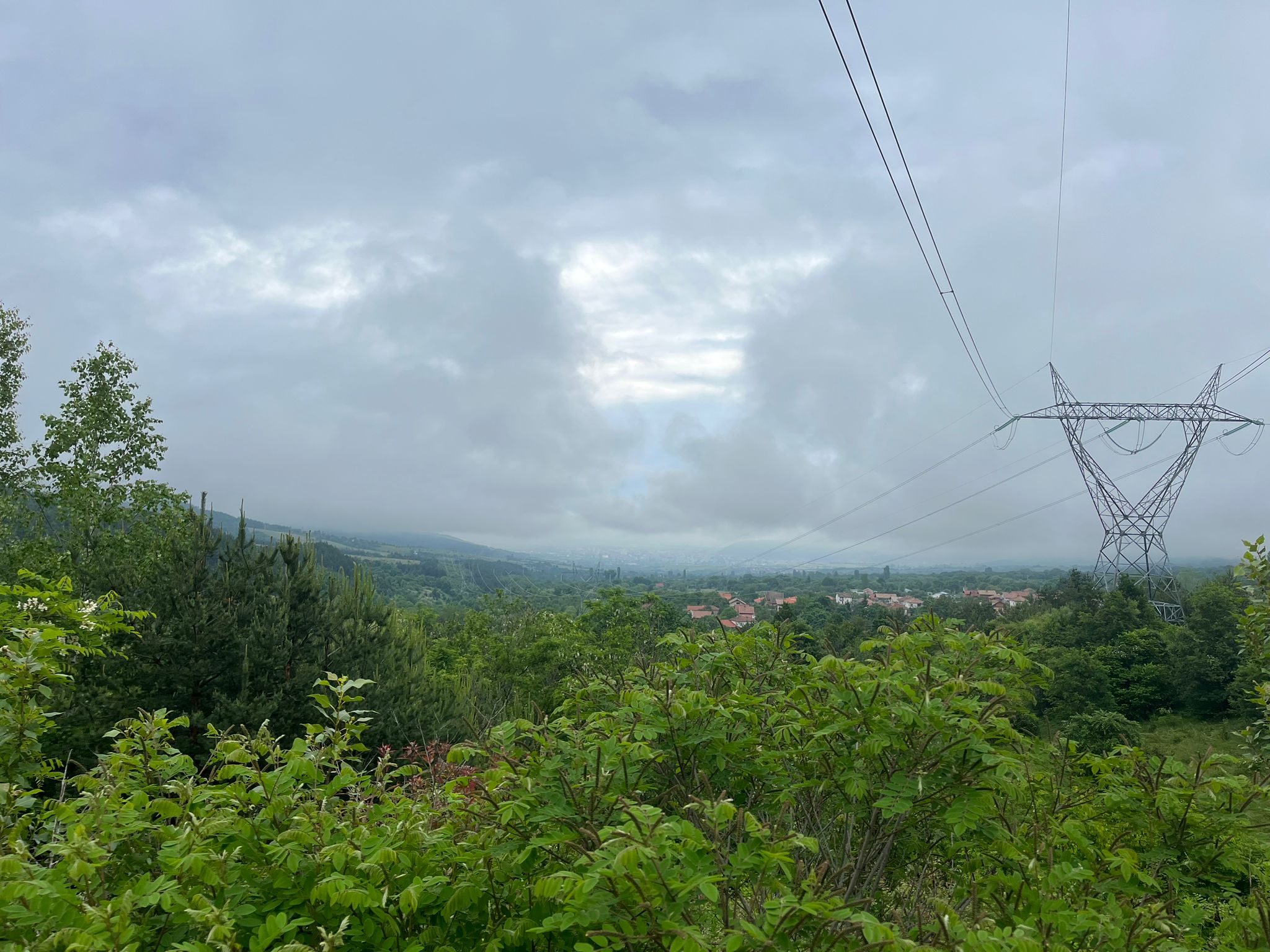
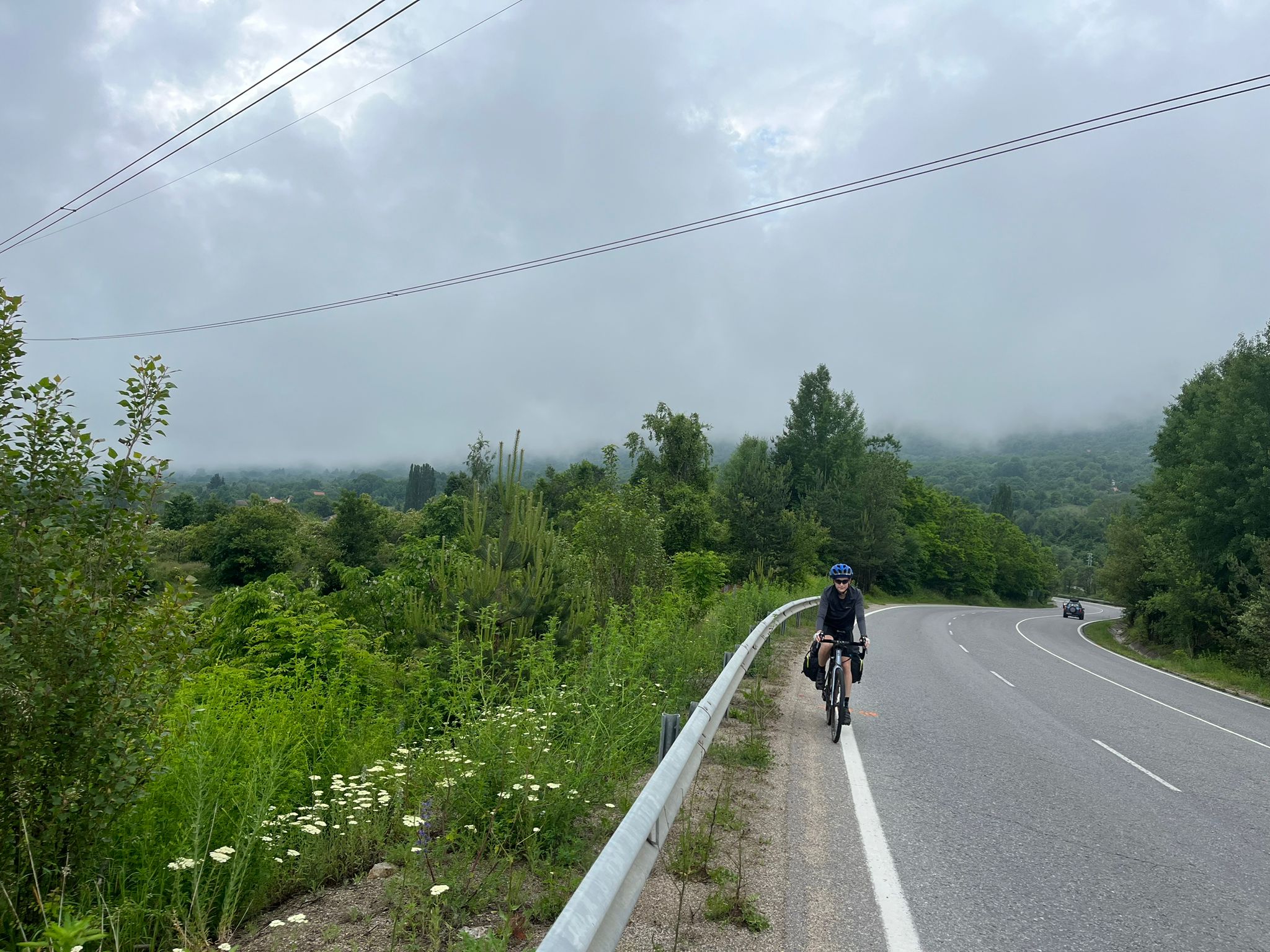
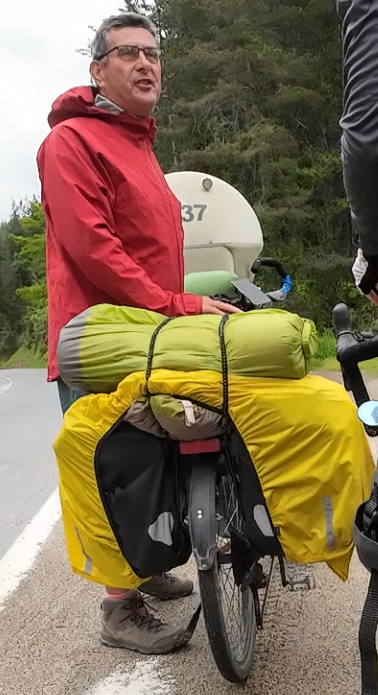
This was the first time that I was crossing a land border (not including Schengen zone), so I didn’t know how that would work. I heard that between Israel and Egypt there is a border crossing fee and I know of some places that require crossing in a vehicle, so that may include a bike, but not for sure. I couldn’t find that much information online regarding the border crossing, but it did look like it was opened 24/7. So we thought it was likely enough that we would be allowed to cross. As we approached the border, we saw a French cyclist going the other way. He reassured us that crossing by bike is fine, so after chatting for a bit, we got to the border.
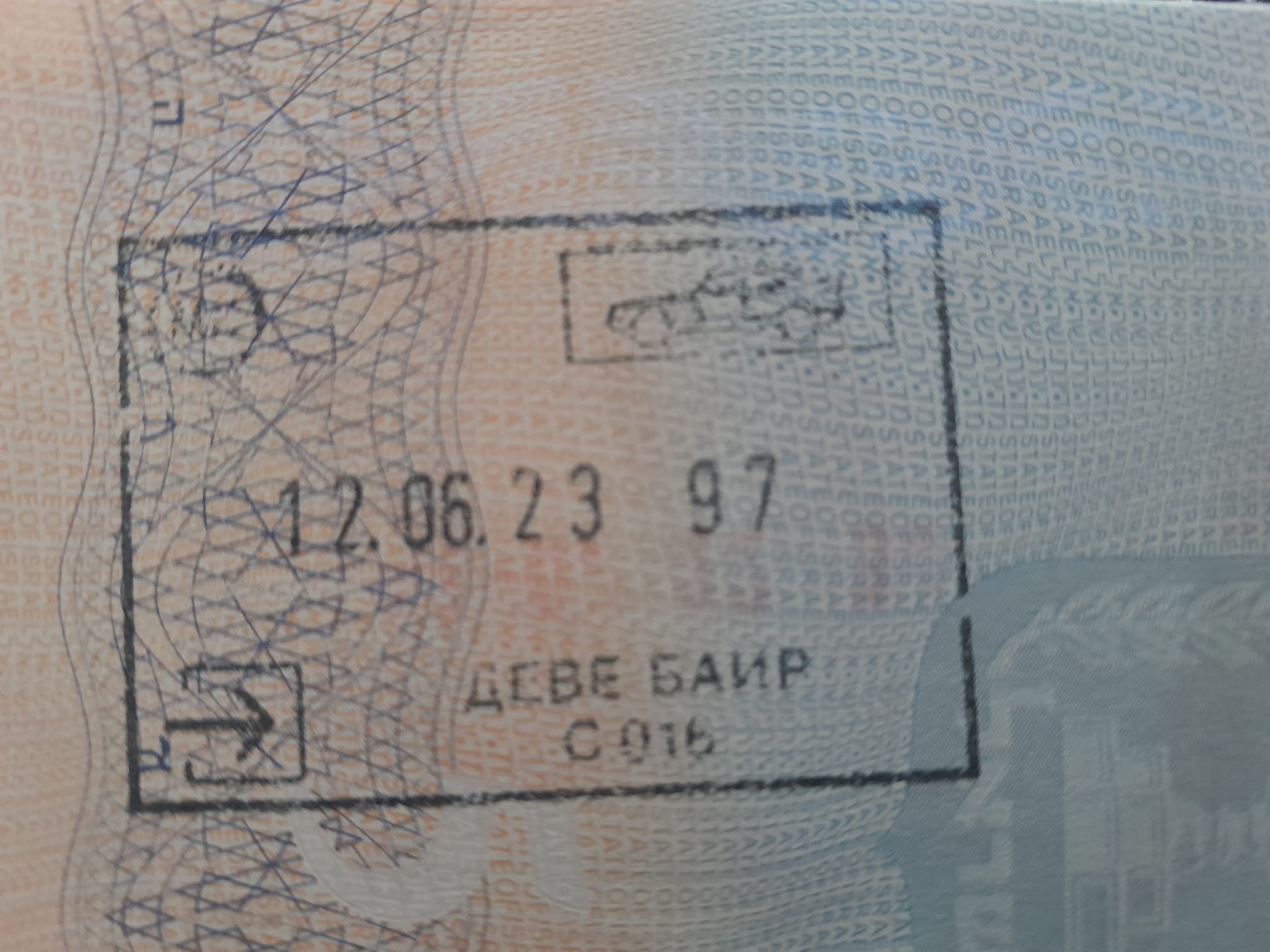
We first left Bulgaria, then biked a few meters to the border of North Macedonia. The North Macedonian guard saw our passport and asked “Palestine?”. I was thinking of responding with “No, we’re heading to Yugoslavia”. But as I learned, border crossing is one of the few places where you shouldn’t joke. So I just stilled and nodded and we were on our way. The other issue was that the stamp that we got had a picture of a car on it, rather than a bicycle.
The border to Kriva Palanka
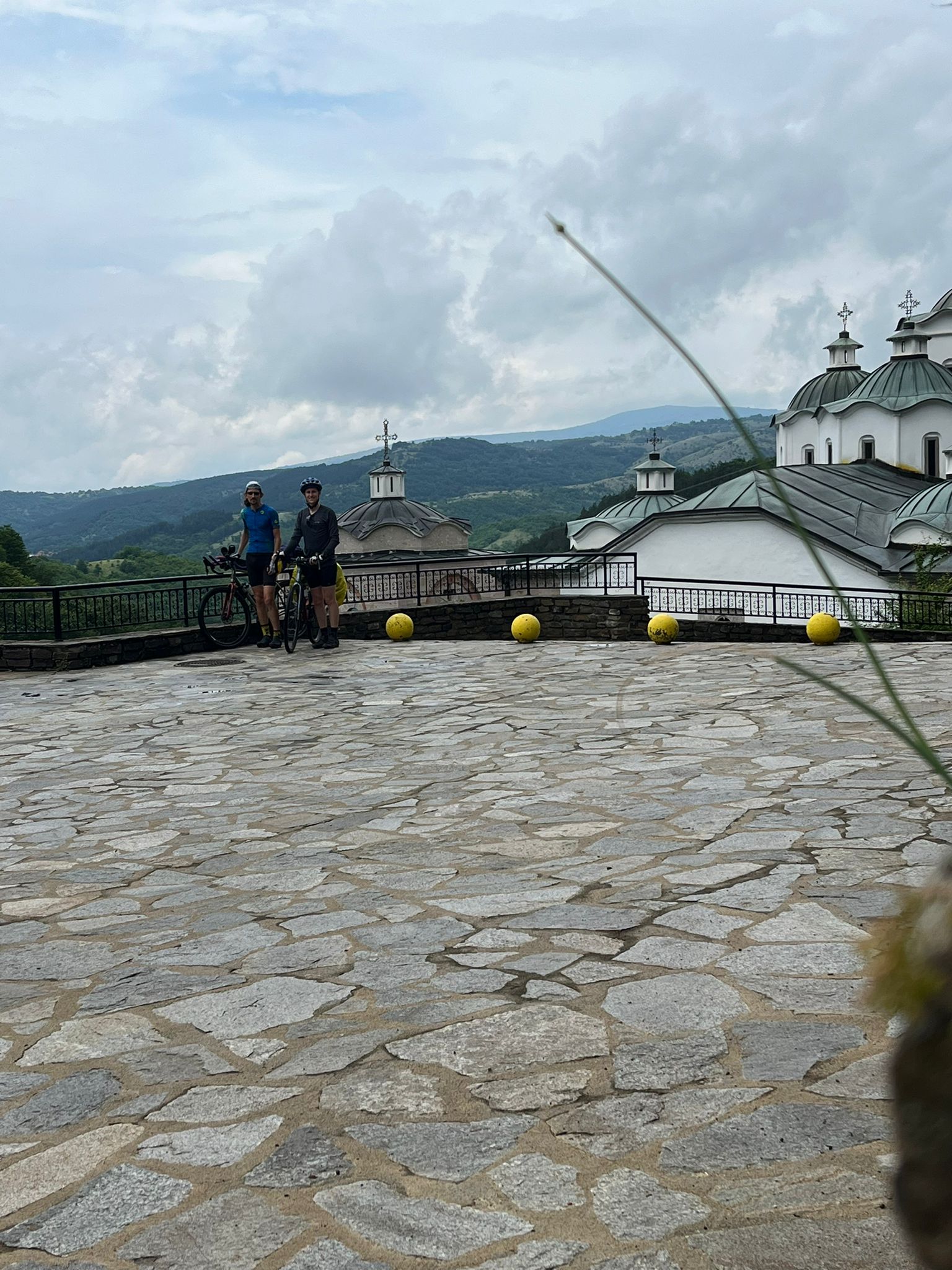
After that, there was a relaxing downhill. The problem was, soon after we started biking in North Macedonia, it started to rain. After reaching the city of Kriva Palanka, we decided to wait in a coffee shop (that had wifi) for the rain to die down. Soon enough we realised that the rain will not stop any time soon, so I checked at the local bus station if there were any busses to Skopje. Google showed that there was one at 13:00, but the people at the bus station said that it was discontinued. So we biked up a mountain to a local monastery 5 km away and 200 m up. We toured around the garden and headed back in time for the 16:00 bus.
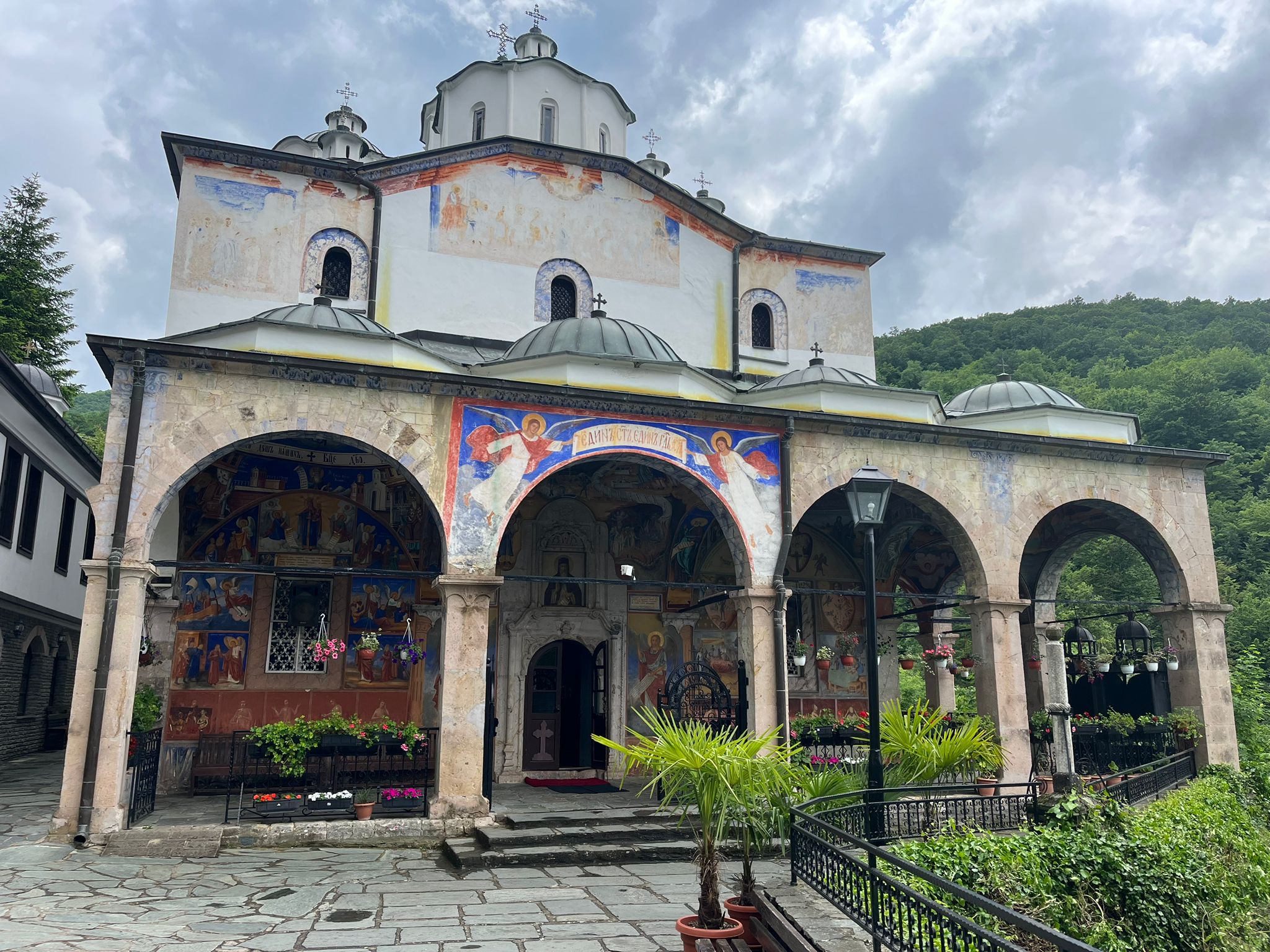
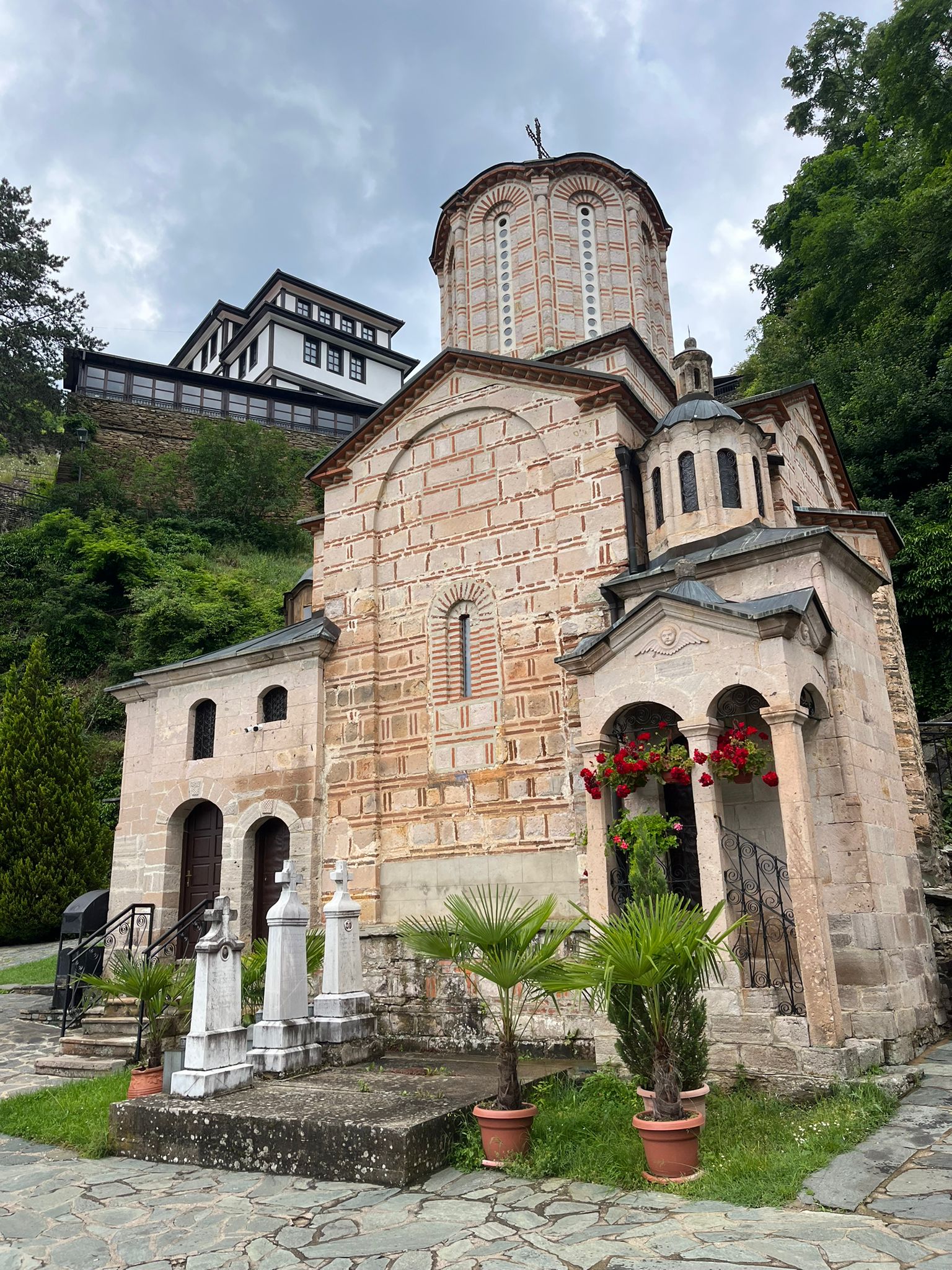
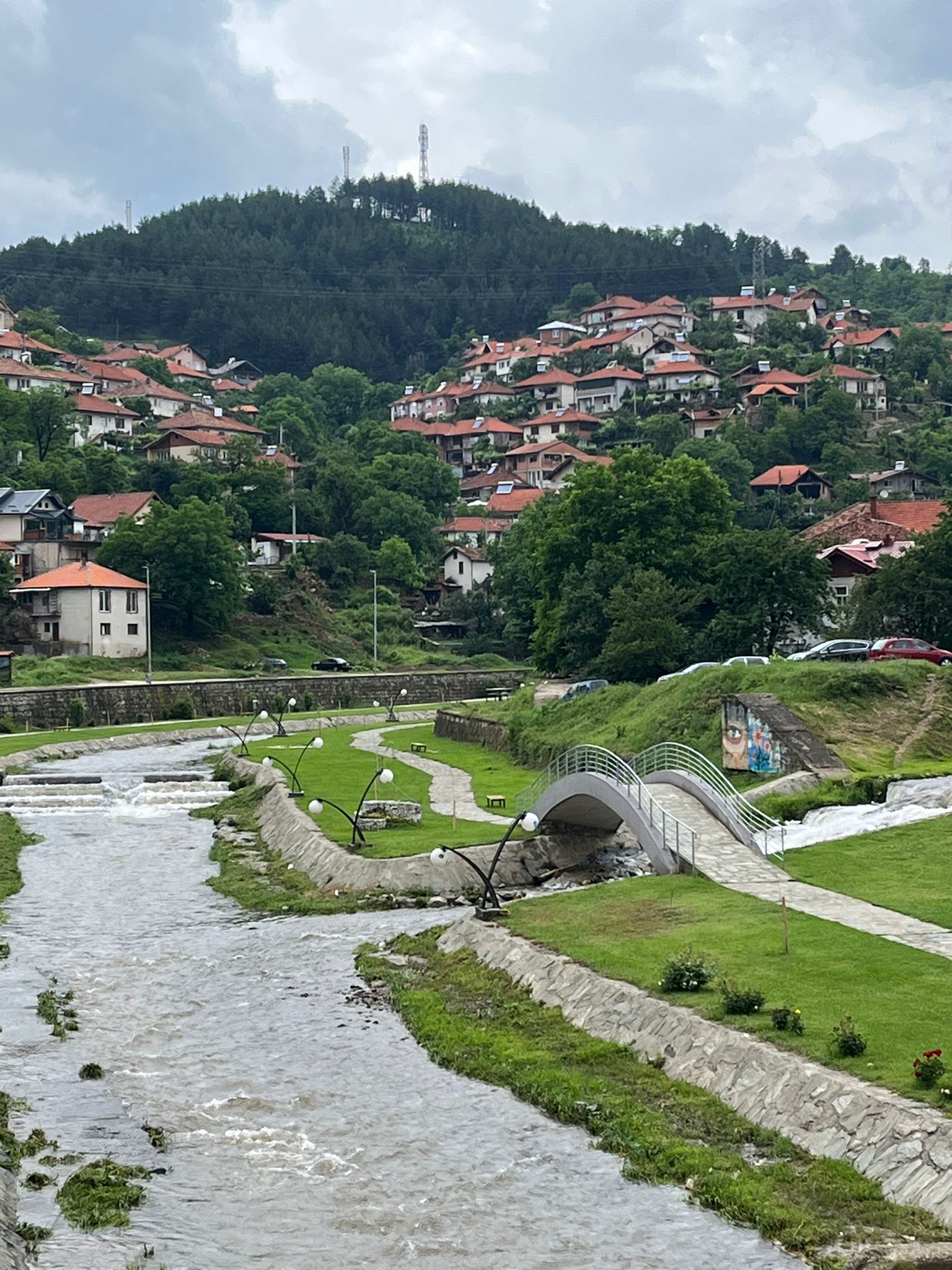
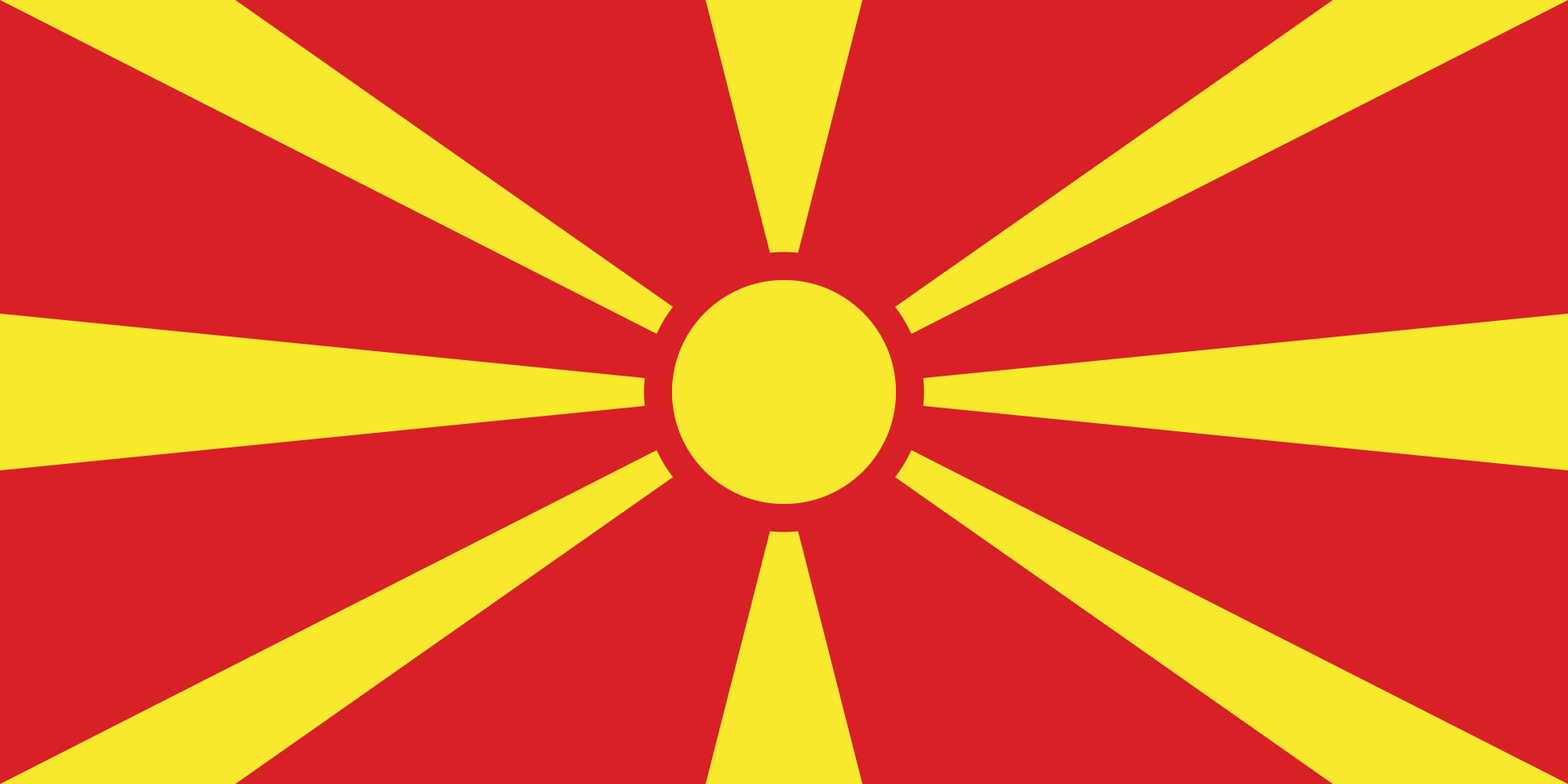
As a side note, the flag of North Macedonia is a picture of a sun. Unfortunately, we did not see that, but rather rain clouds.
Skopje
The bus ride was uneventful. We arrived at Skopje, got to our hostel, and met up with my biking partner’s coworker, who lives there.
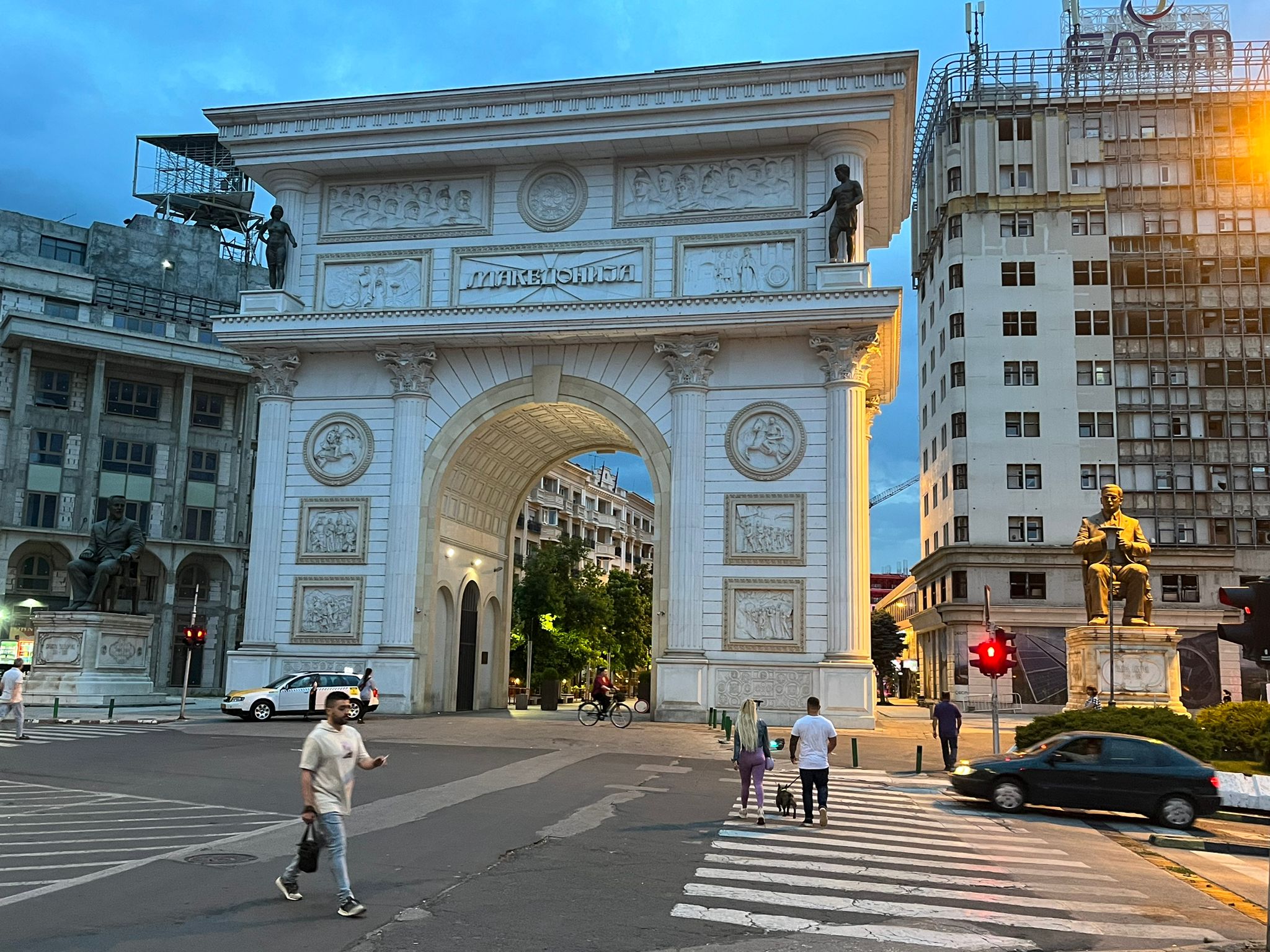
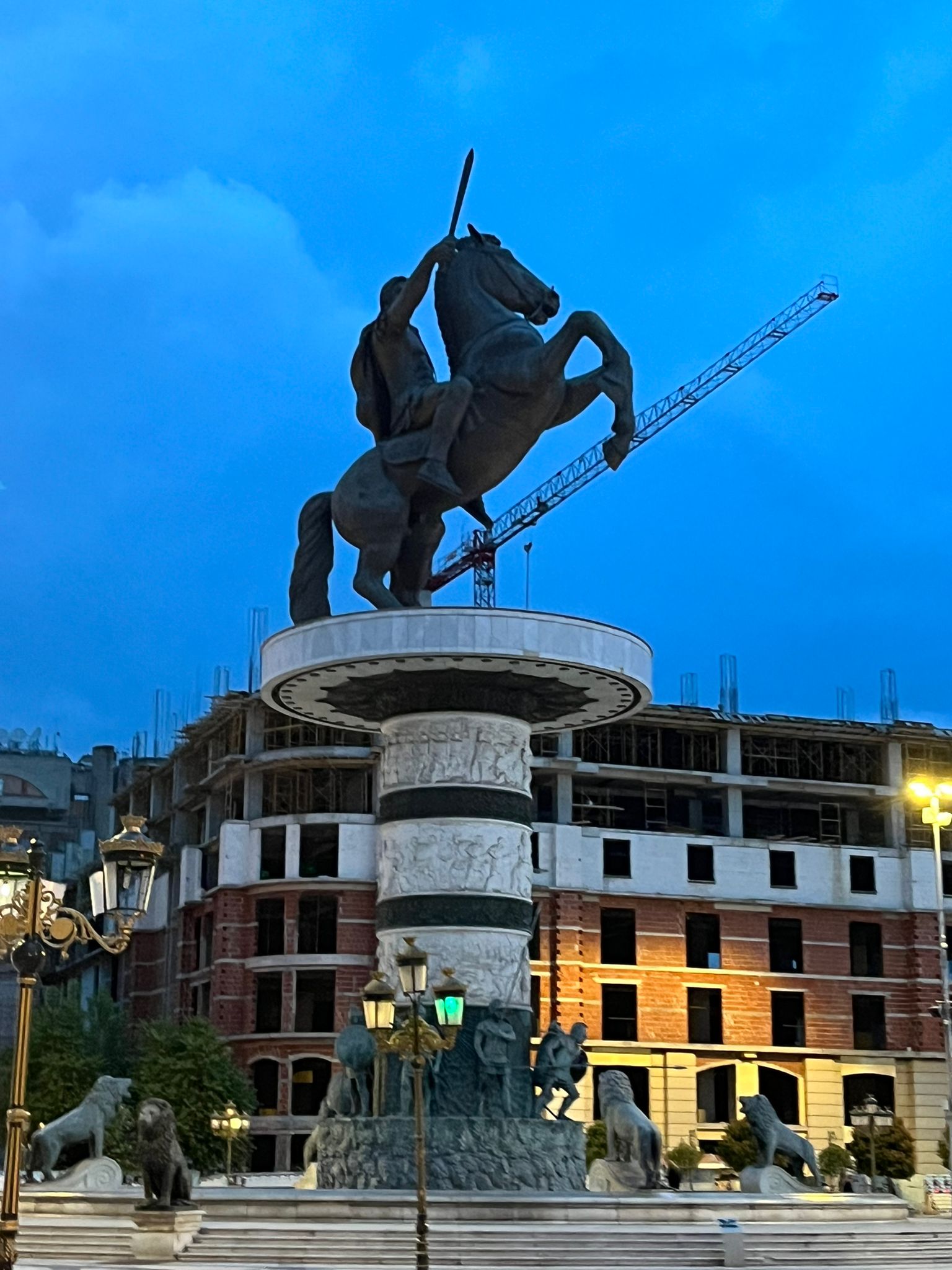
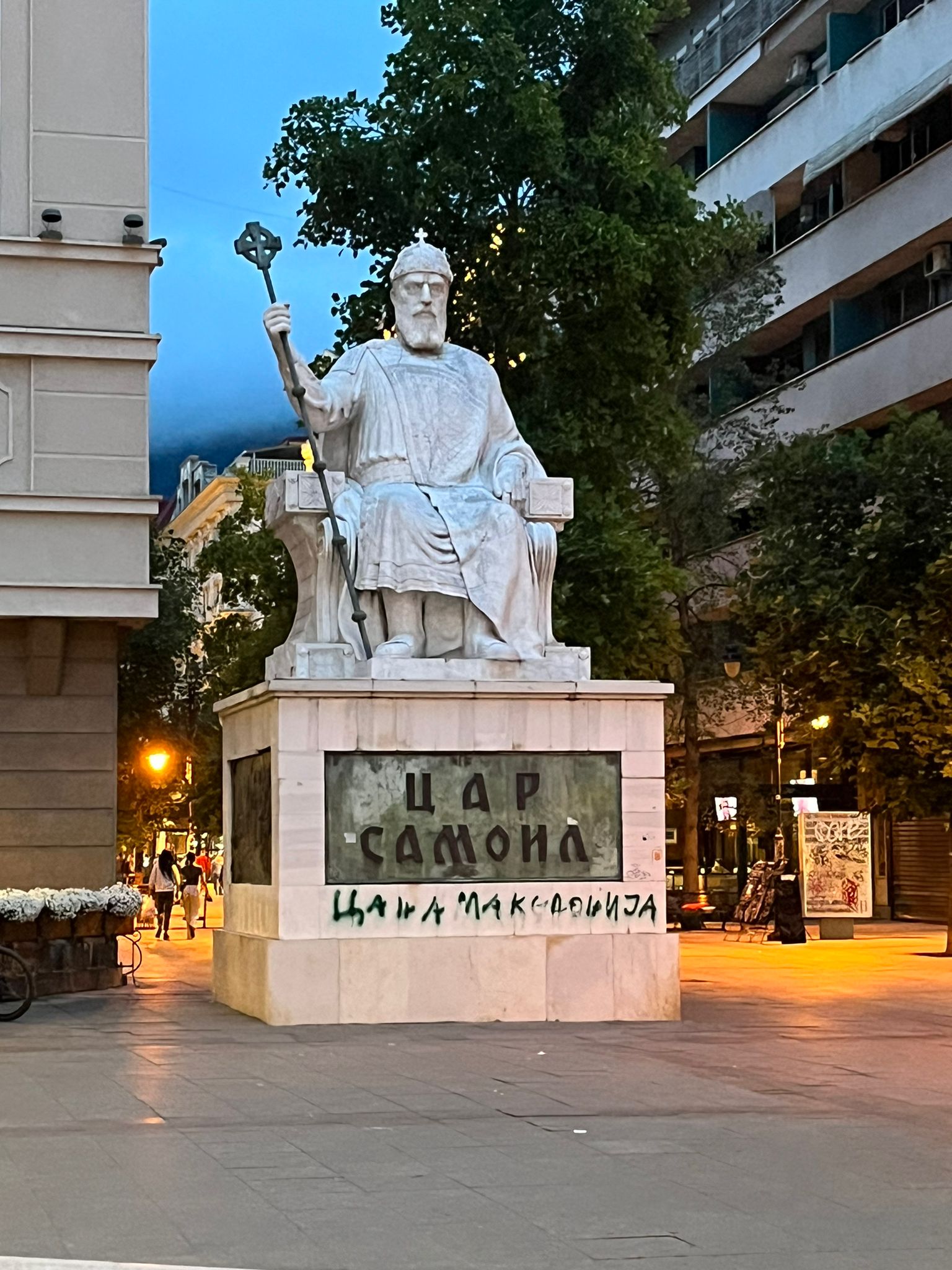
I wont go in depth about this, but apparently there is an interesting story regarding the historic looking statues in teh city. They are all about 5 years old. They were built as way for the government in power to embezzle public funds. The idea is that since artwork has no objective value, the price could be whatever the politician wants. After paying the builders and material, the excess money can be pocketed. I’ve seen many forms of corruption in many countries, including mine. But at least this form of corruption results in nice looking statues. On the other had, cars park wherever they want. On the sidewalks and roads. There appears to be no enforcement. So that was less aesthetically pleasing.
The politics
The coworker gave a nice political history summary of North Macedonia. He pointed to all of the advertisements for casinos, and said that that is a sign of how poor the country is. He then compared North Macedonia to the Ukraine. Both have corrupt leadership, both want to be in the EU, both Russia wants to annex. The one difference is that the US supports the Ukraine, but supports the rivals of North Macedonia (Albania).
He explained the story of Gastarbeitern (German for foreign workers). They are a group of people who moved to Germany on temporary visas to work. It is a common enough situation, that there is a wikipedia page on that
https://en.wikipedia.org/wiki/Gastarbeiter
He talked about how they would return home with expensive cars and go on shopping sprees. On the other hand, their family would be left without them for long stretches at a time. That was interesting for me to hear, because I’ve lived in America, Israel and Germany. So I’ve only been exposed to Gastarbeitern who came to where I live, and never the ones who decided to stay.
Car ride to Mavrovo Lake
The next morning we woke up and the coworker very nicely drove us an hour and a half to Mavrovo Lake. During the ride he continued to give a political rundown of the country. We noticed when traveling west that there were more mosques. He talked about the Albanian fighters of 2010 (here is an article about the main conflict in 2001, but it talks about what happened in 2010. https://en.wikipedia.org/wiki/2001_insurgency_in_Macedonia ) and how there are now Christian villages with Macedonian and Muslim villages with Albanians, but not that many mixed places. I then decided to asked about the 90s. He responded that it would take him 10 hours to explain it. I decided not to probe more about that. Although I did ask him about Kosovo. He said that it is not a country recognised by the UN. The fact that all of the large countries recognise it doesn’t change that fact.
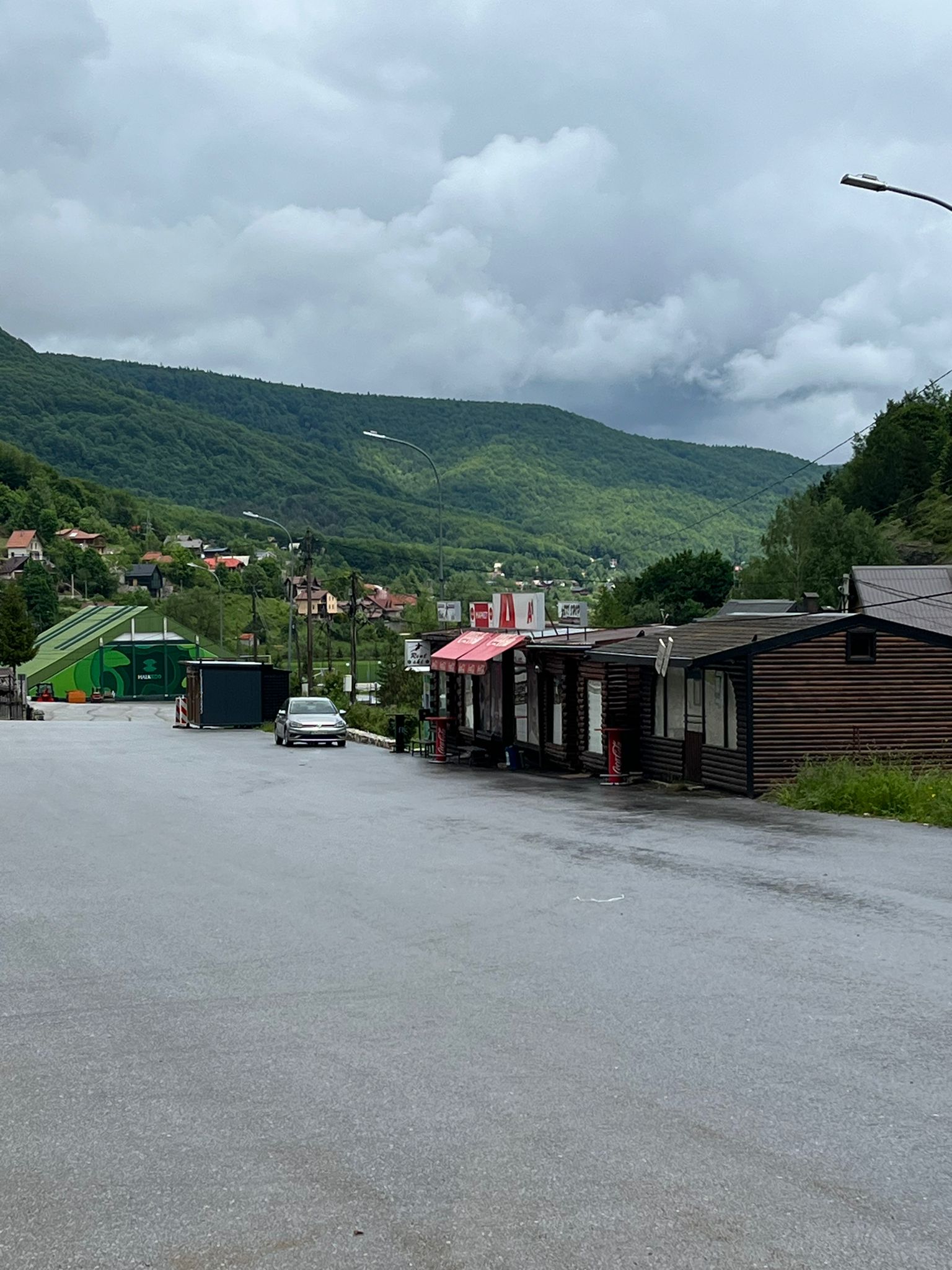
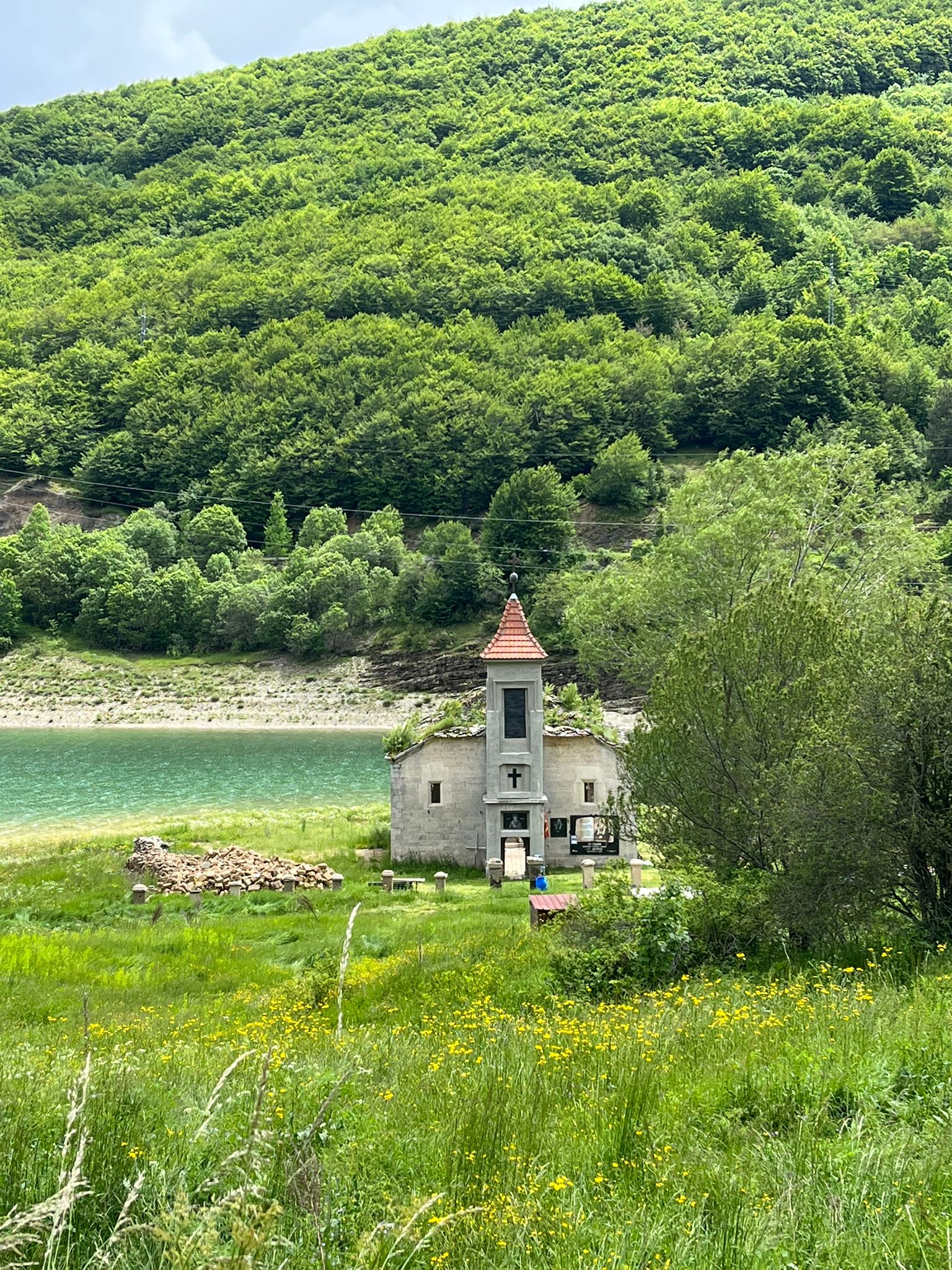
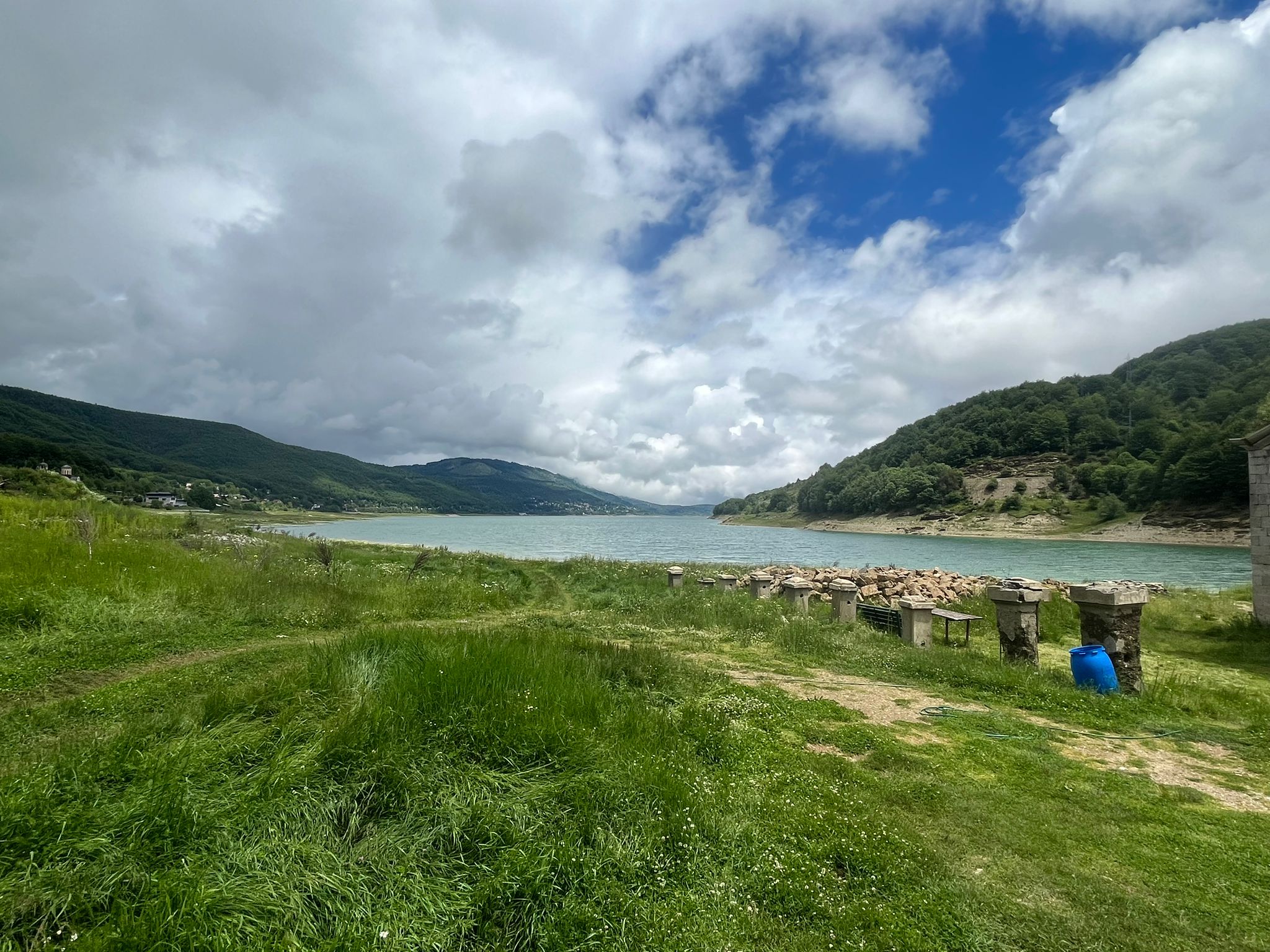
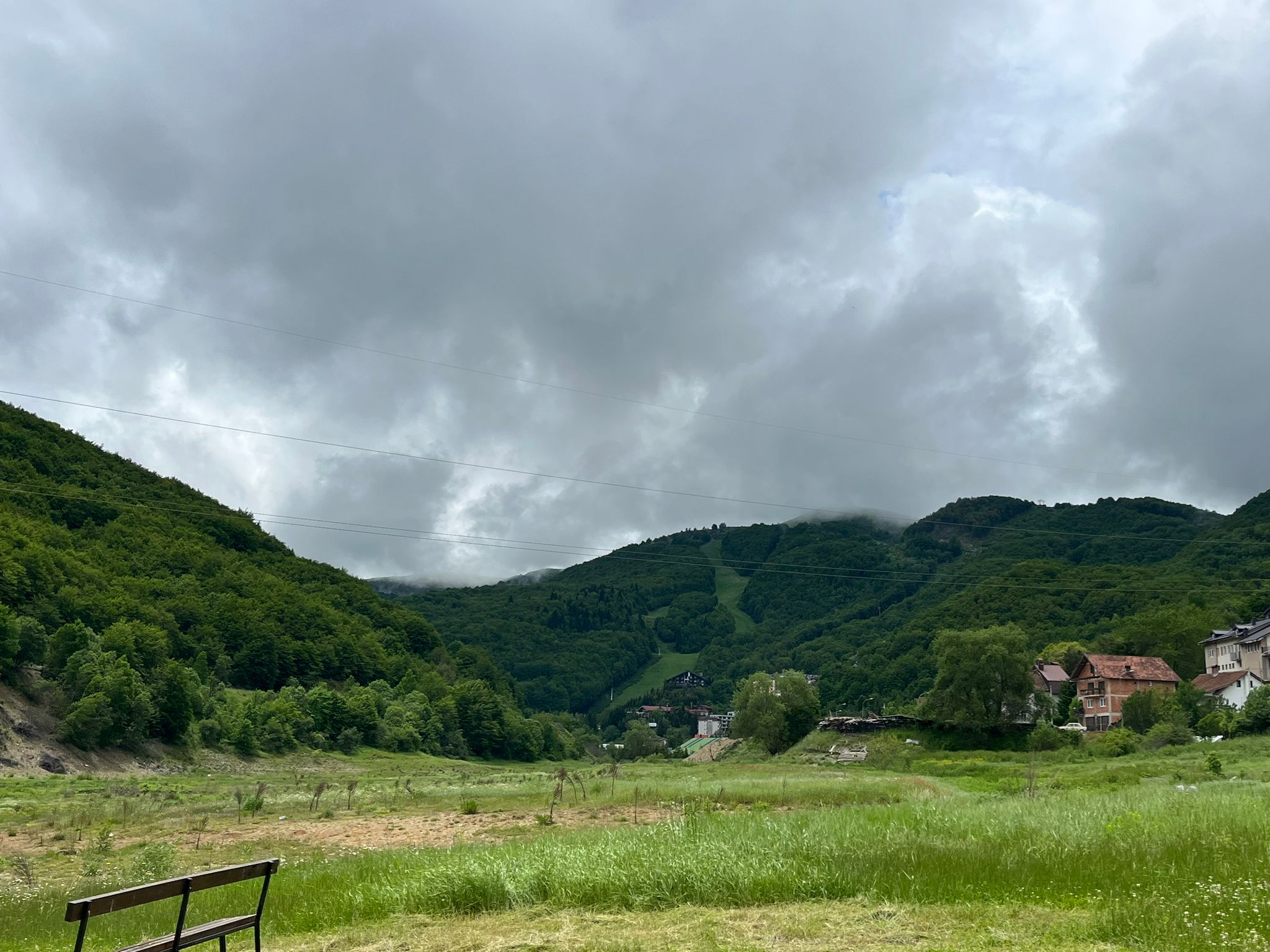
After arriving at Mavrovo Lake, we walked around and saw the nice views.
Bike ride to Vevchani
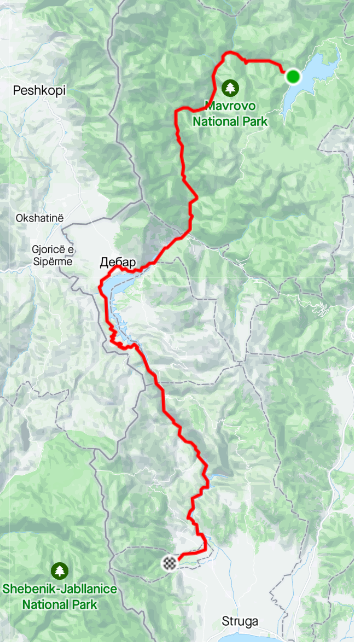
After we were done with Mavrovo Lake, we started to bike towards Vevchani and Stephan returned to Skopje. The ride started nice, but after a few minutes it started to rain. Every once in a while we saw kids in the nearby houses wave at us. So at one spot we stopped and had a chat with them.
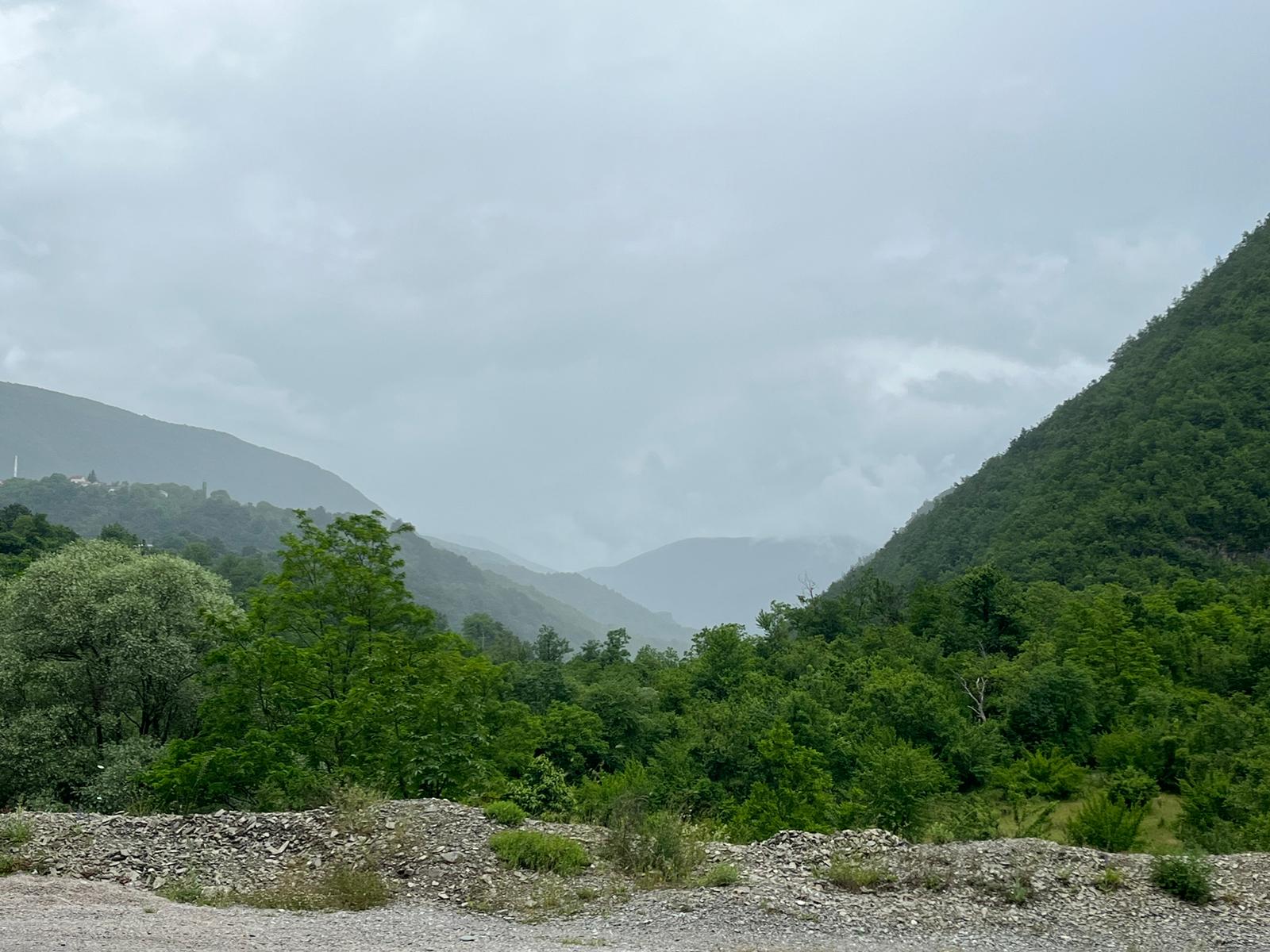
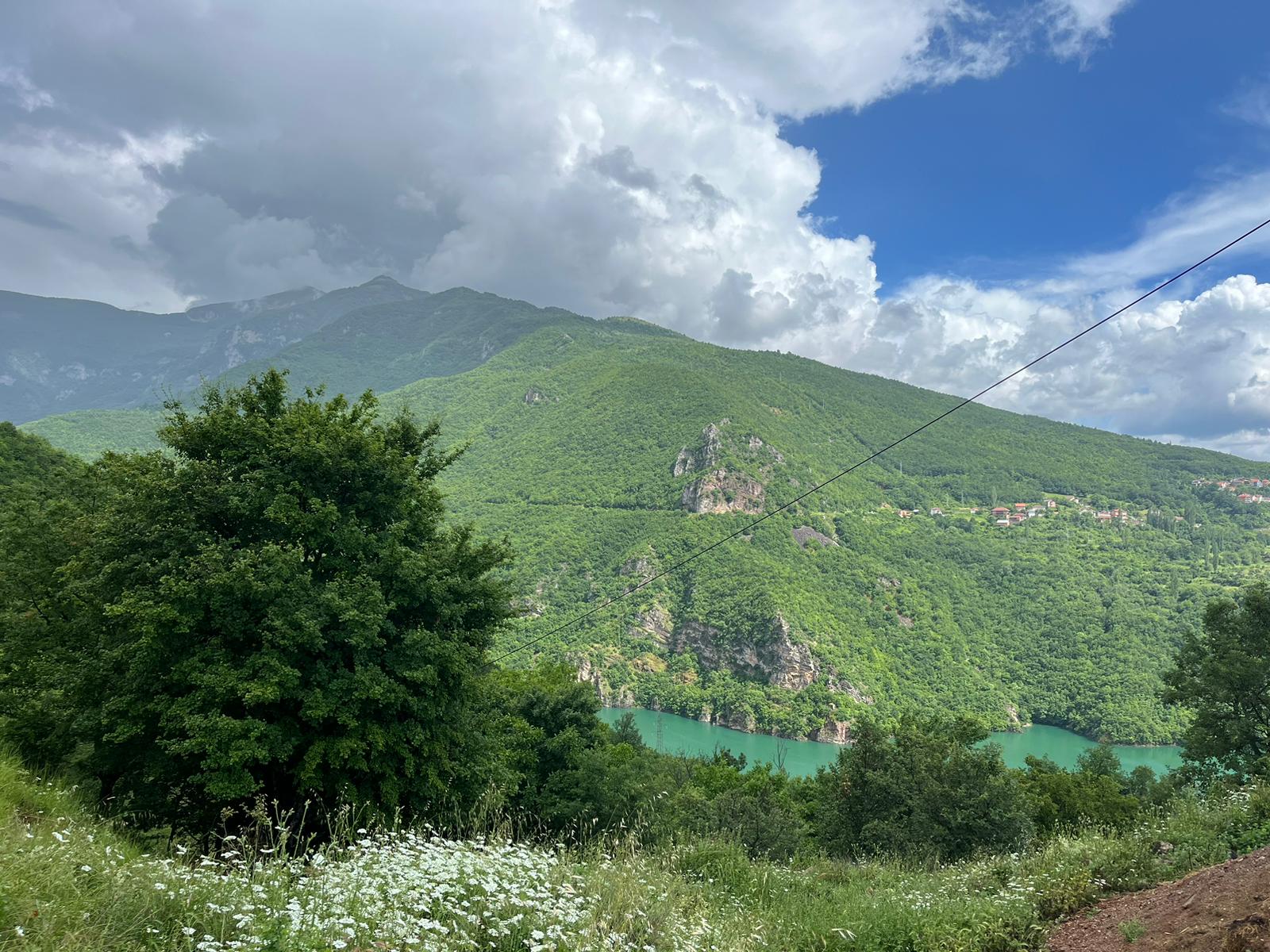
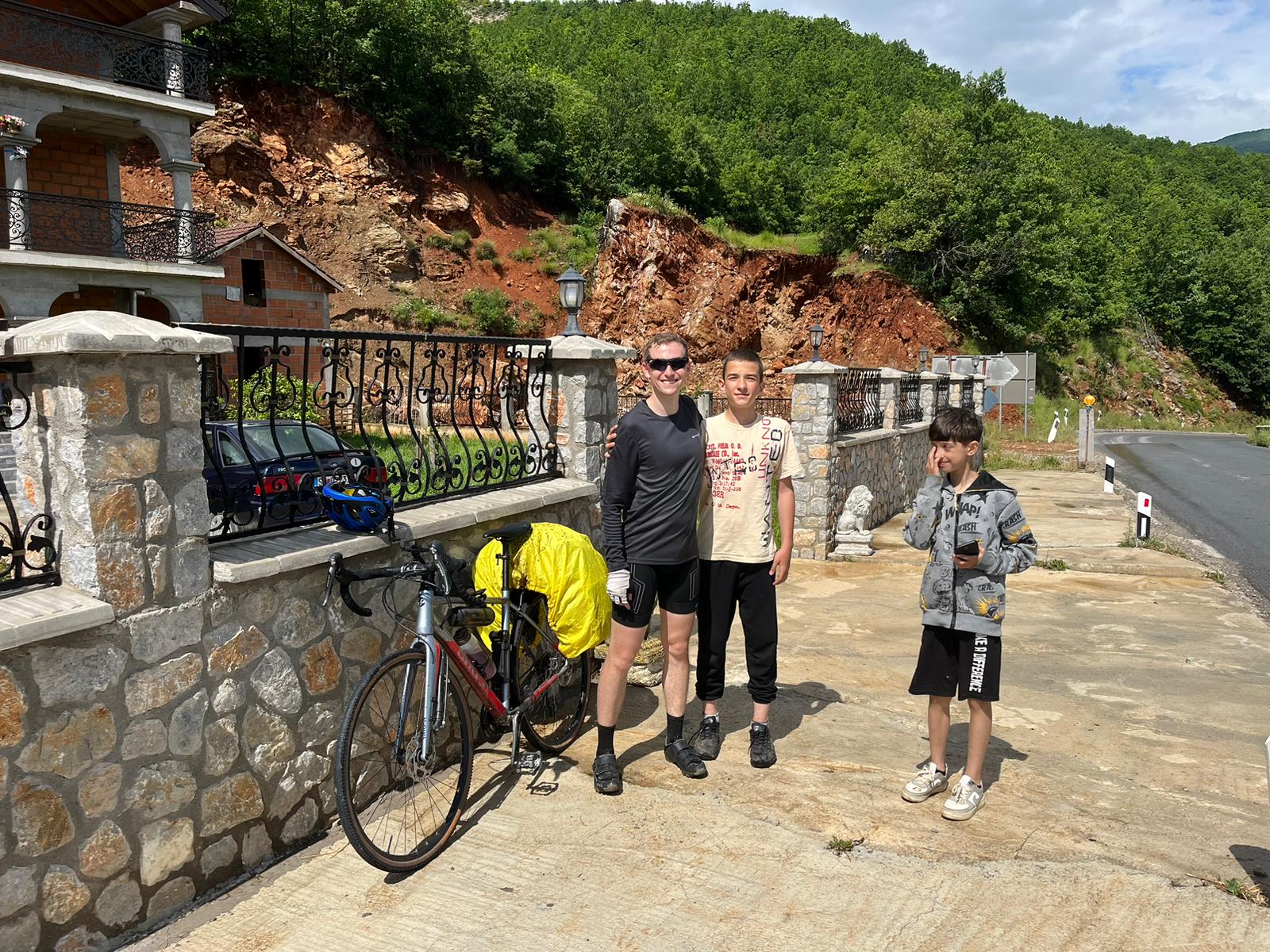
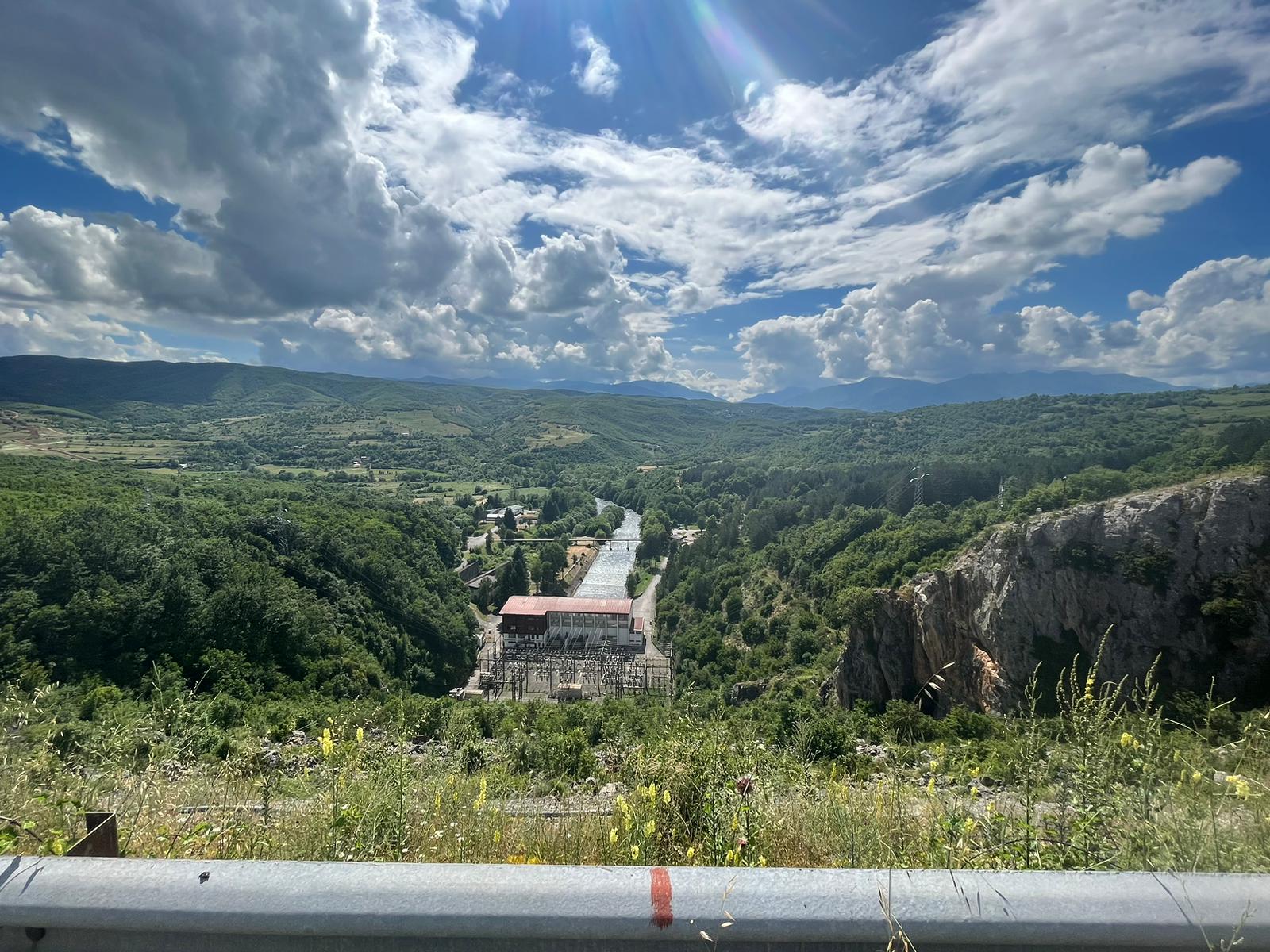
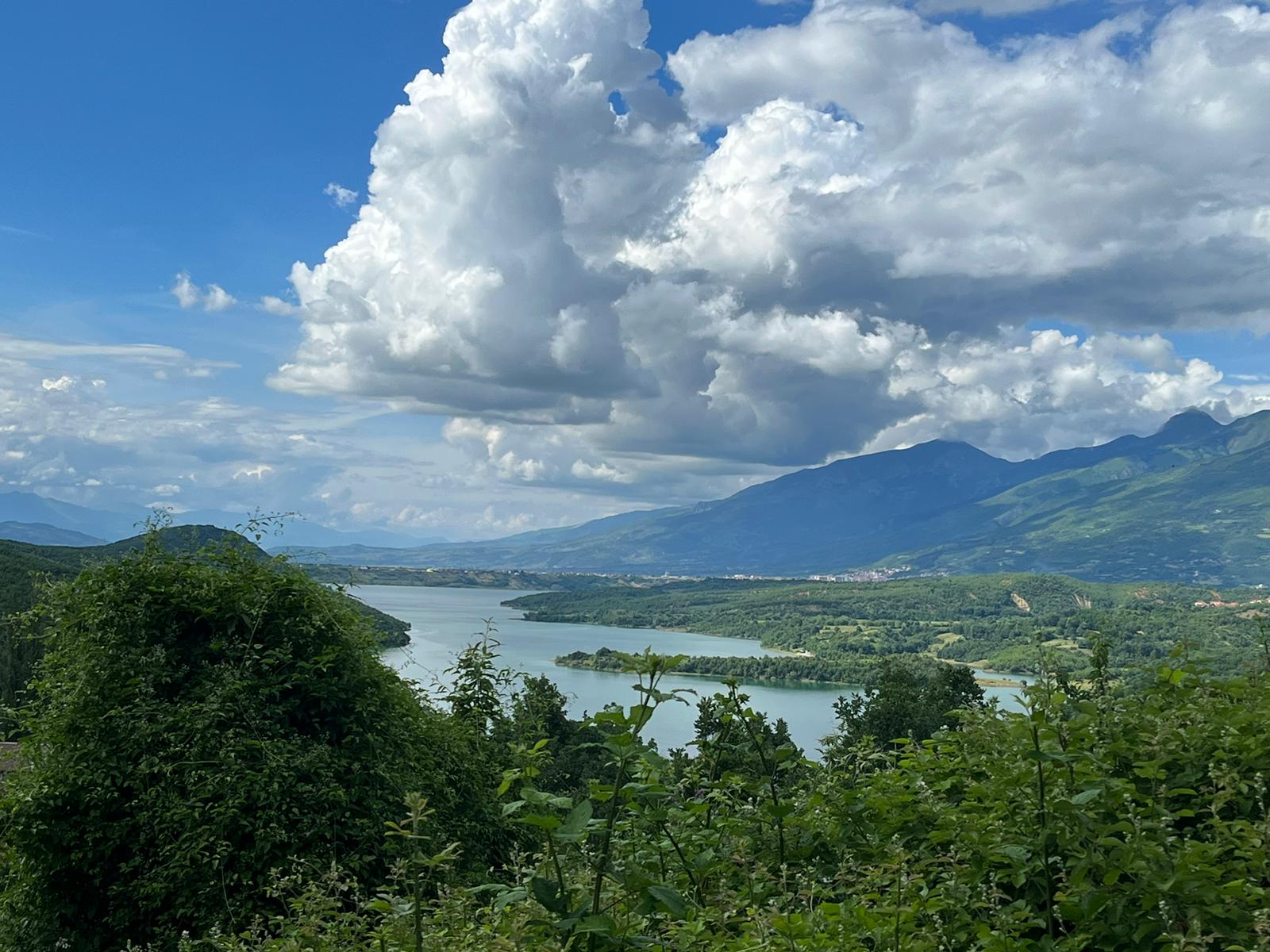
After a biking through the rain for the entire second half of the day, we arrived at Vivchani a bit before sunset.
Vevchani
Vevchani is a resort town, so we ended up spending a lot on our lodging. We got a hotel in the center of the city with a great vantage point of the city. It had 2 large beds, and was on top of a restaurant. It cost us 63 EUR for the night.
Vevchani is known for the rivers and waterfalls. There were rivers that were so clear, it took me a moment to realise that there was water there. There was one place in the river that was gated off, and fish were swimming there. The local restaurant stored their fish there and if you order fish, they let you pick the fish. Then you have extremely fresh fish to eat.
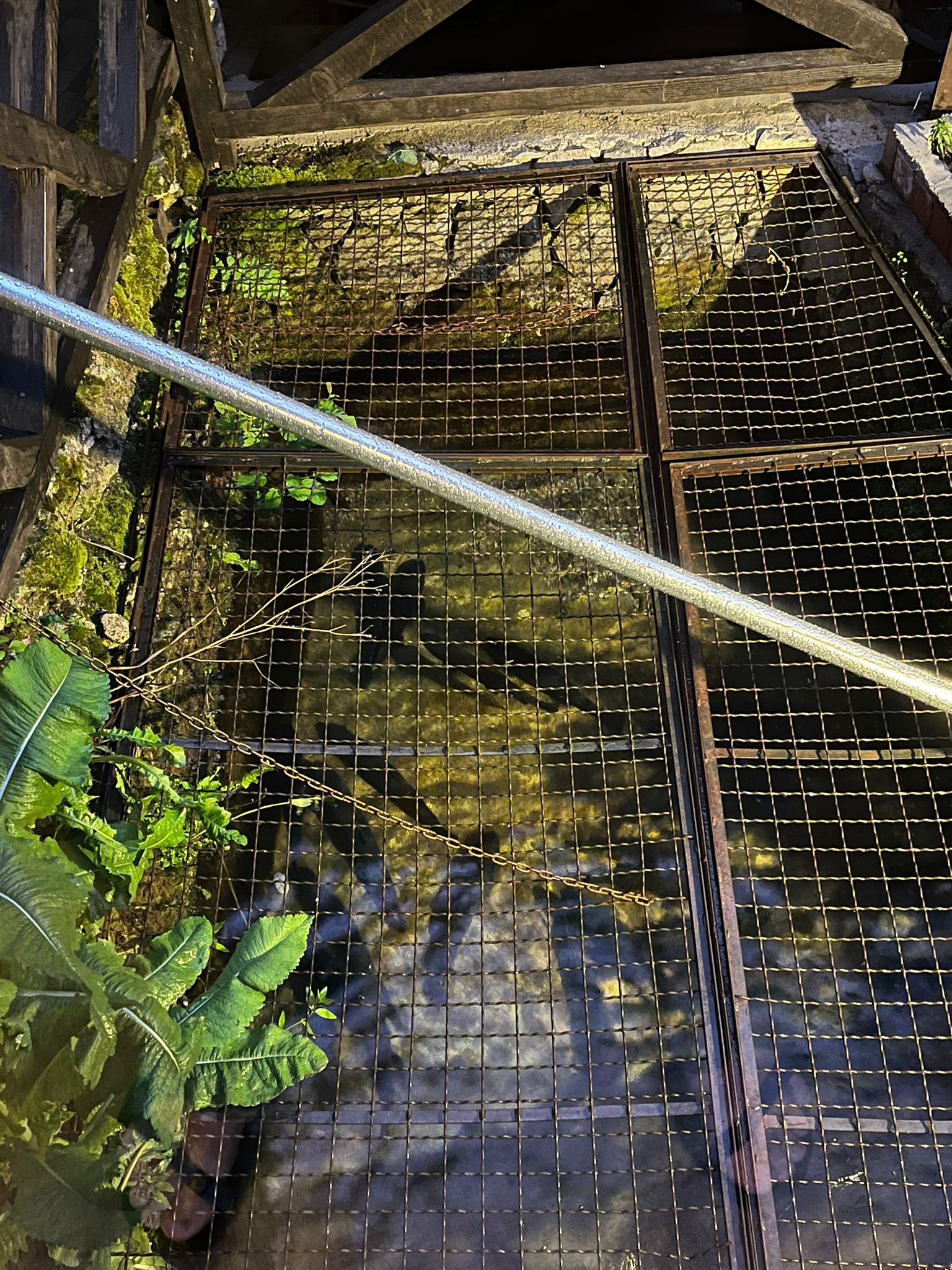
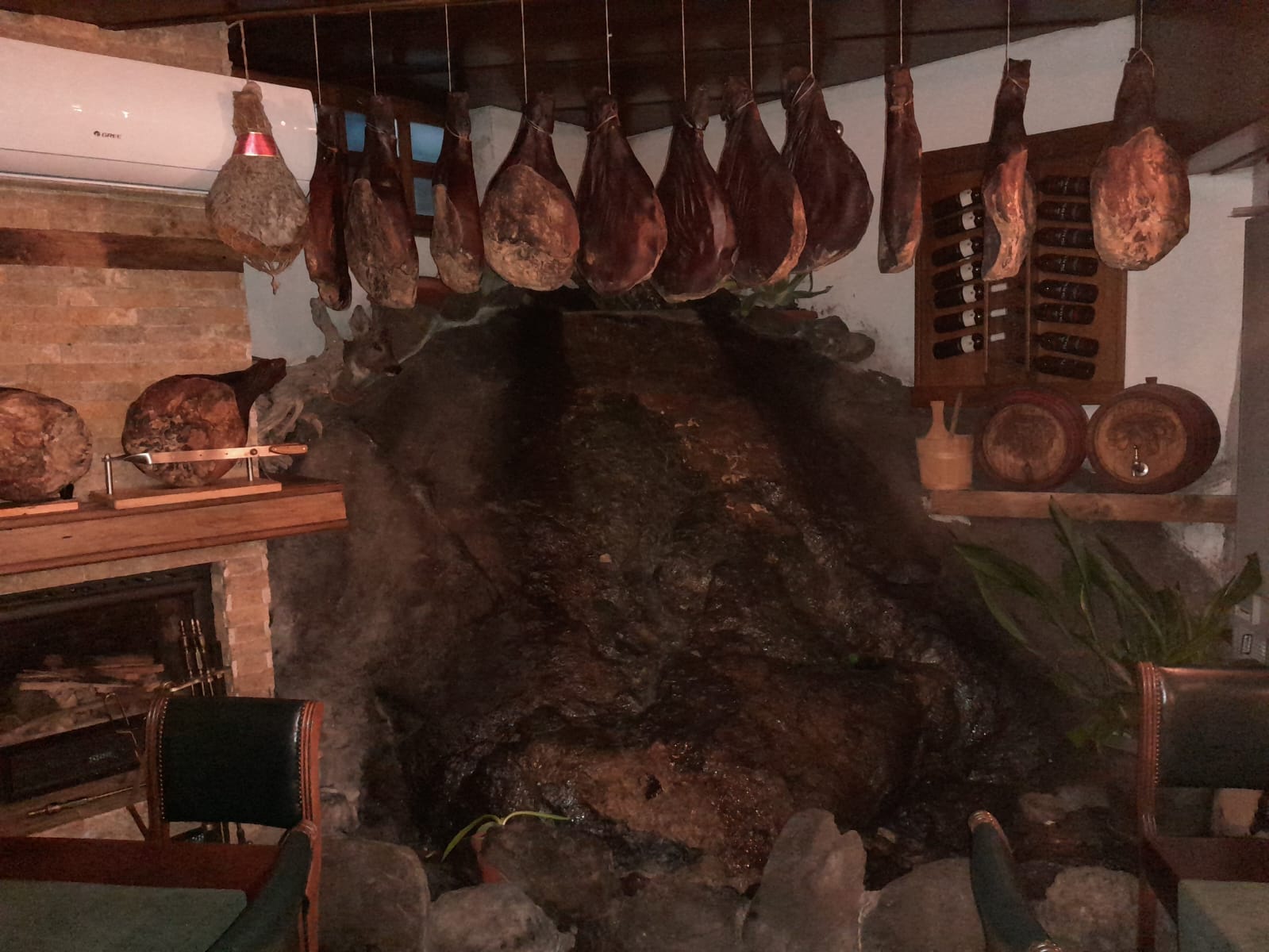
Vevchani has an interesting story during the 1991 breakdown of Yugoslavia. They were one of the places to declare independence, as the Republic of Vevčani. Although it didn’t take long for that city to decide it would be better to unite with North Macedonia than to defent theirself on their own. However they still have some pride in that short lived “country”. They have their own currency. No one actually uses it, and when I asked the locals about the local currency, the Vevčani ličnik, they laughed and said that you can buy it (along with a passport) at the local tourist shops.
Leaving Vevchani
The next morning we had breakfast and started our trip to Bitola. When I was davening on the balcony, I heard the muezzin. I’m used to hearing the call for prayer in Israel. However this was a unique accent. I guess that since the Balkan Muslims don’t speak Arabic, their prayers sound different.
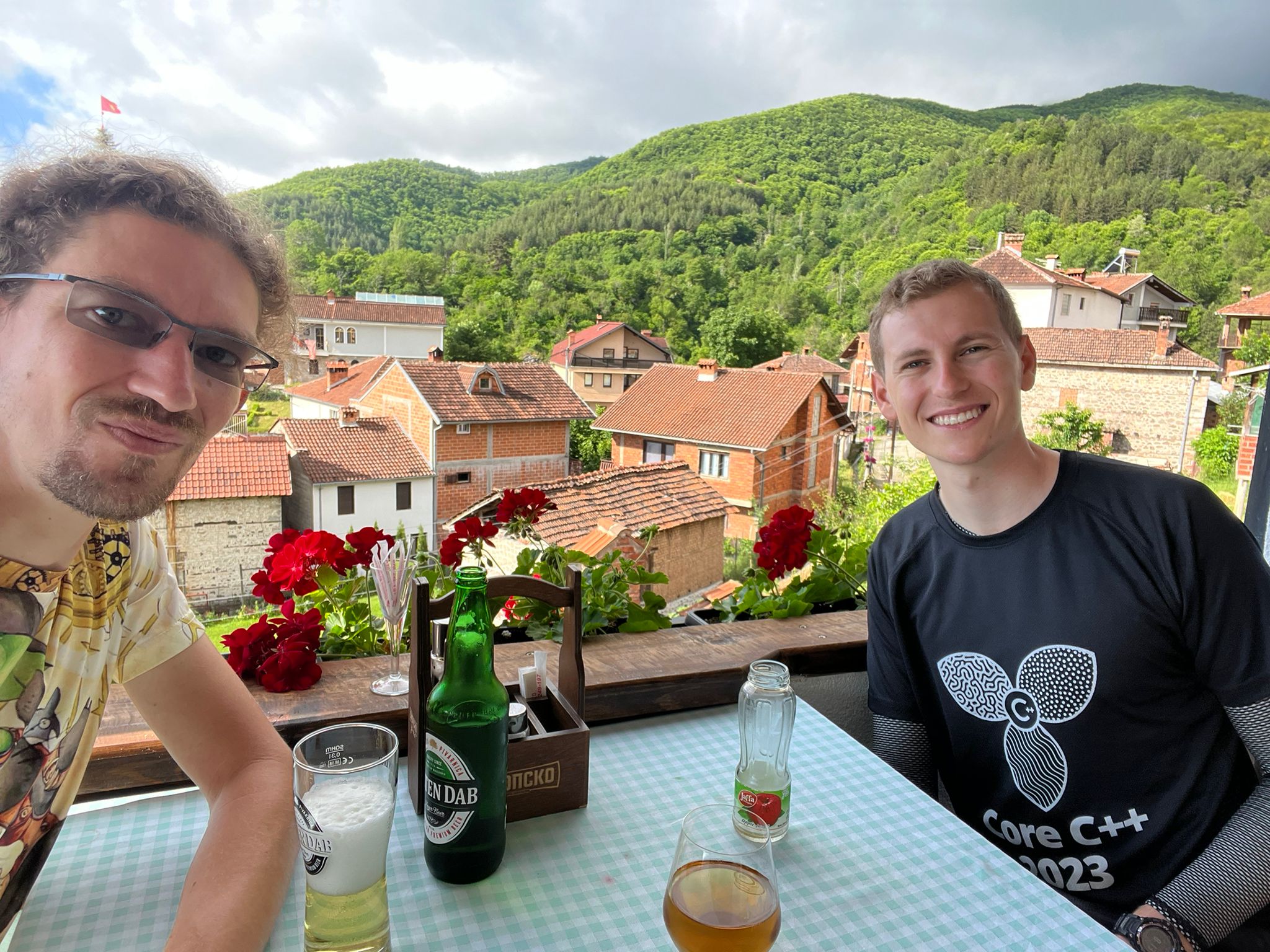
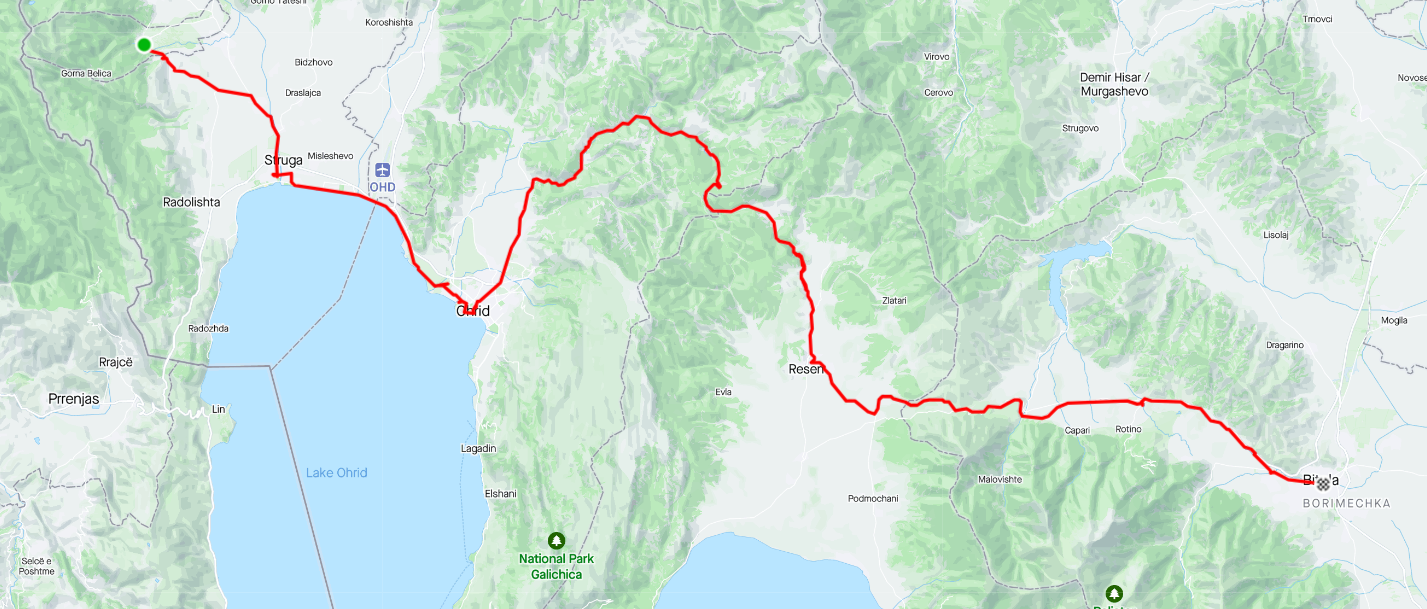
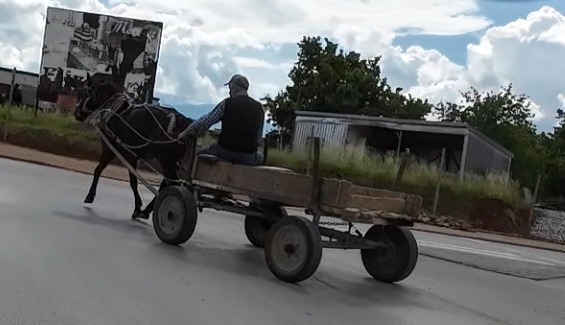
Since we were in the western part of North Macedonia (on the border of Albania), most of the towns were Muslim towns. So I used what Arabic I knew, and I greeted people with “salam alaykum” and they actaully responded to me with “alaykumu s-salam”. As we approached the first city on the way, Struga, we saw some interesting sites.
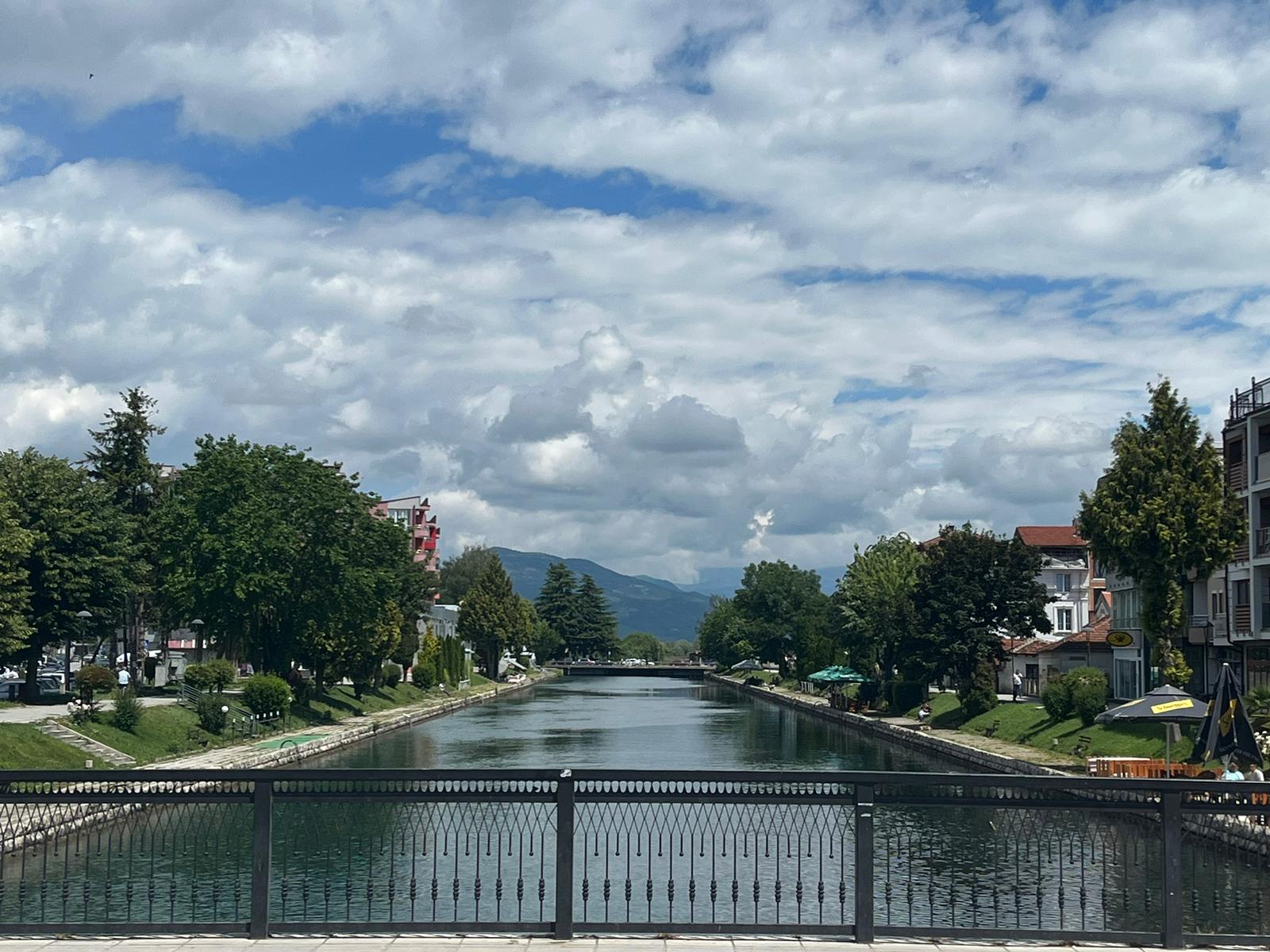
We passed through the local pedestrian zoned market and followed a car free trail to Ohrid. The city looked somewhat disappointing, but I noticed that there was a cluster of geocaches in one area. I didn’t know what was there, but decided to check. It ends up that that is the old city.
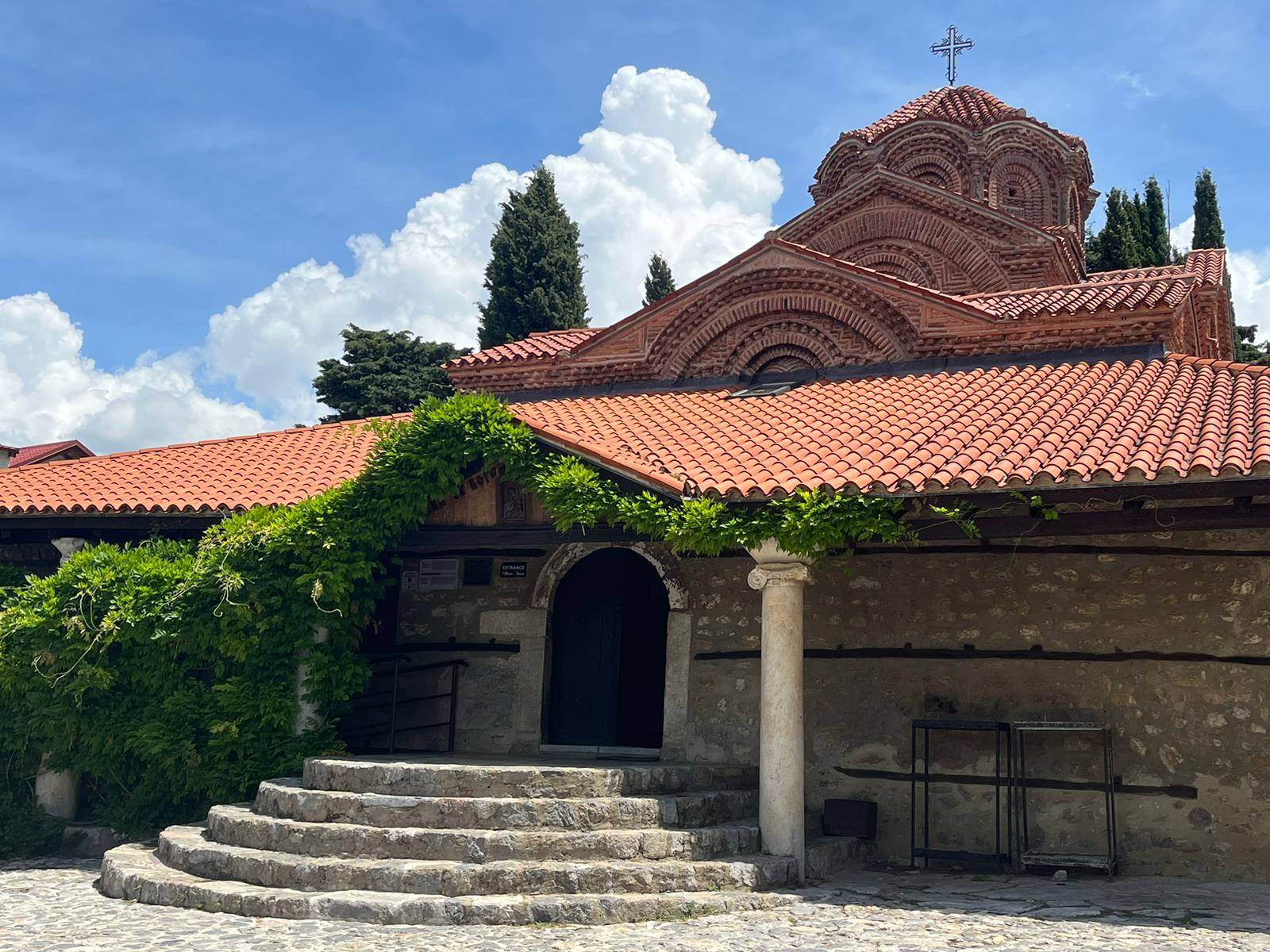
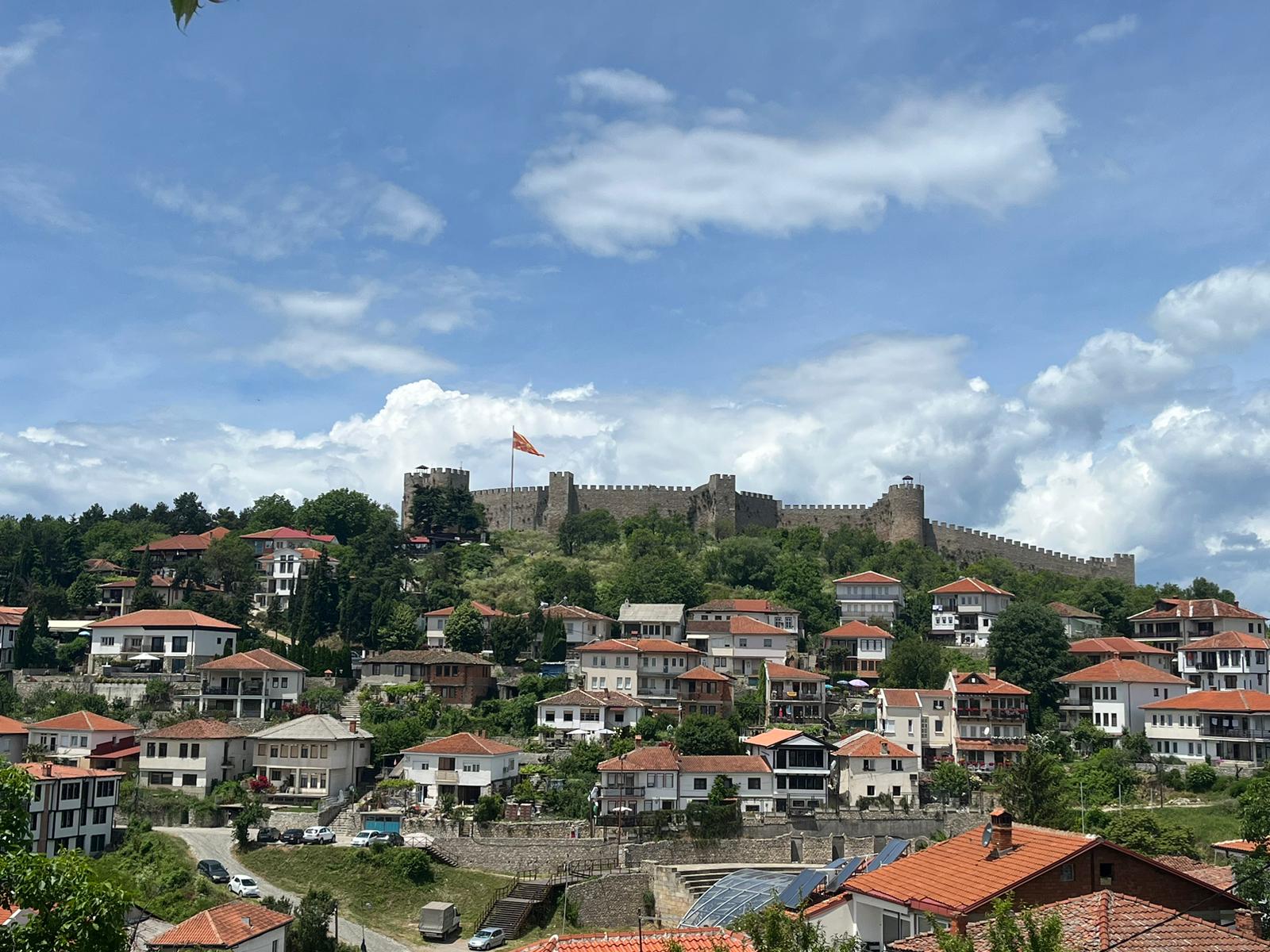
From there we had a scenic path all the way through Resen to Bitola.
Bitola
After getting settled in our hostel, we started touring the city. Unfortunately, it was raining, so other than going to the grocery store, doing a geocache and a quick stroll around the city center, we stayed inside for the night.